Why These Middle School Projects Are Giving Students an Academic Edge They Will Use for Life

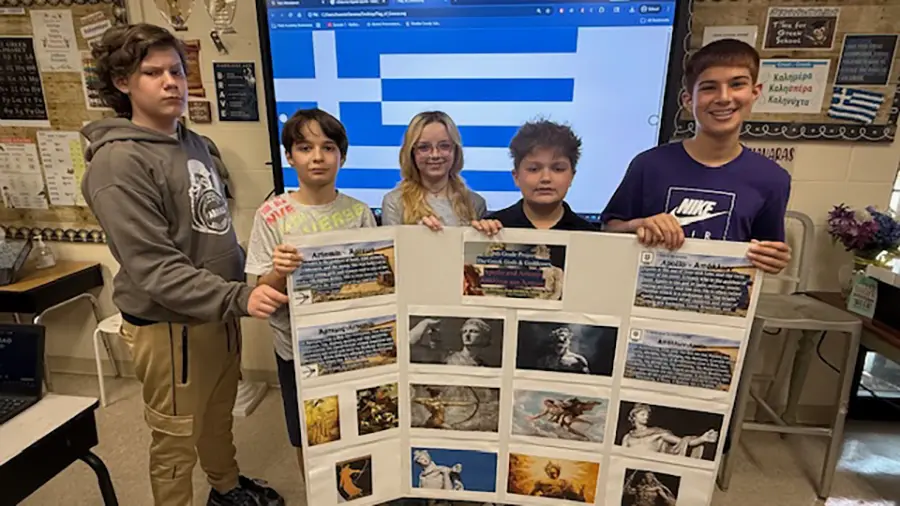
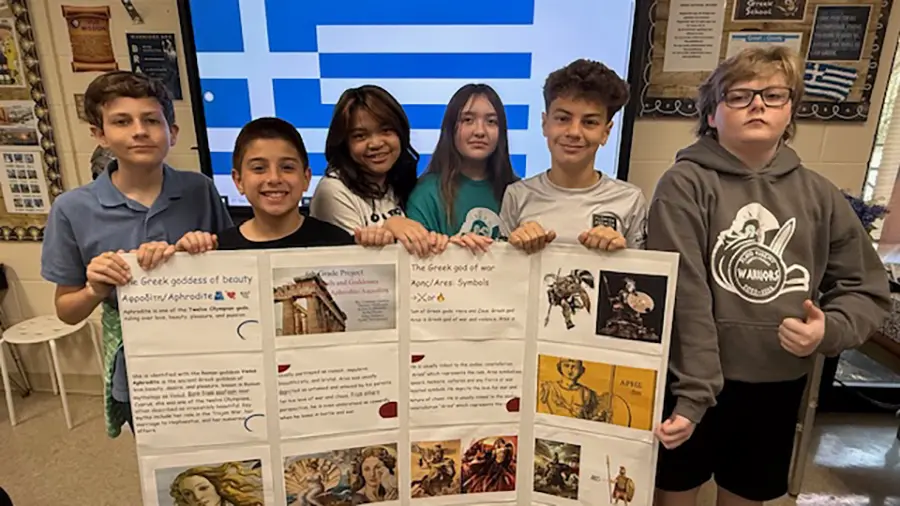
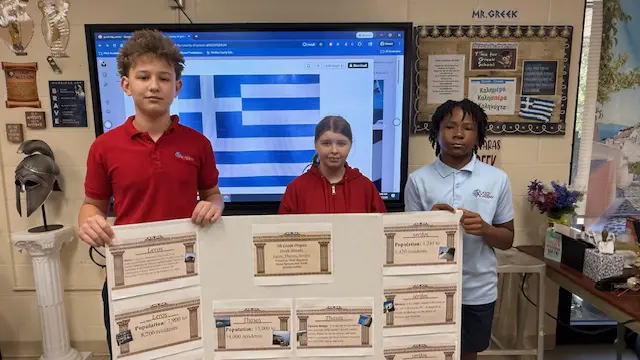
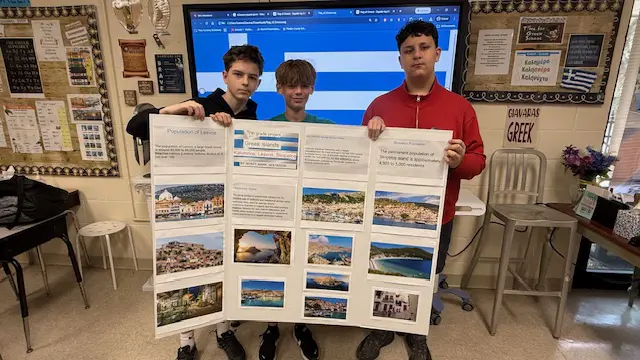
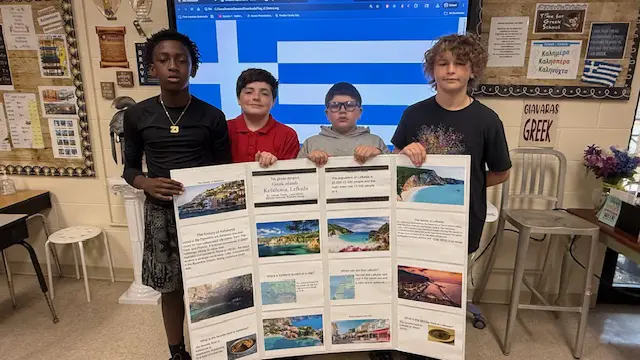
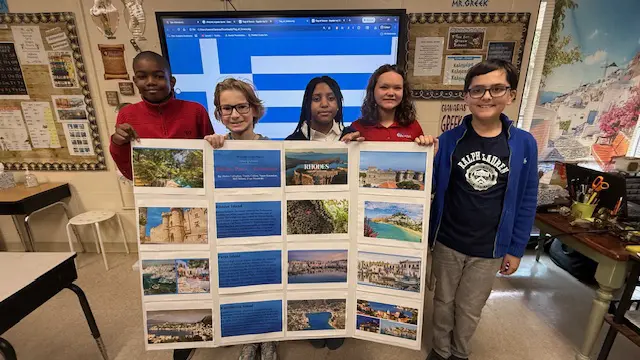
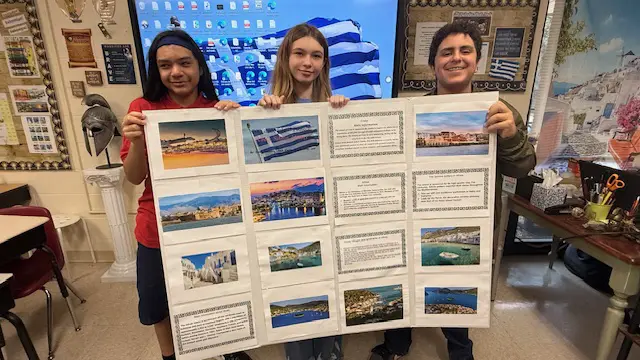
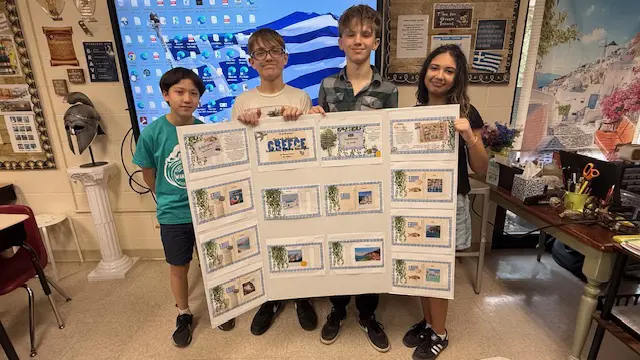
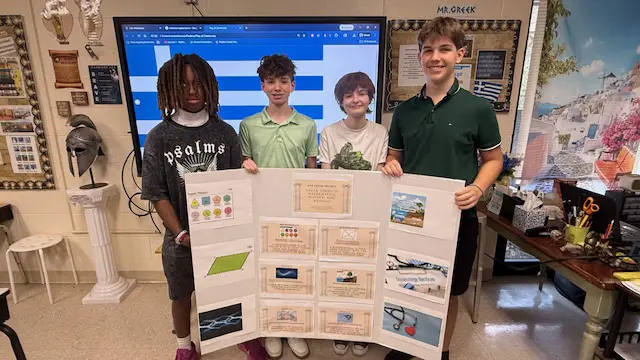
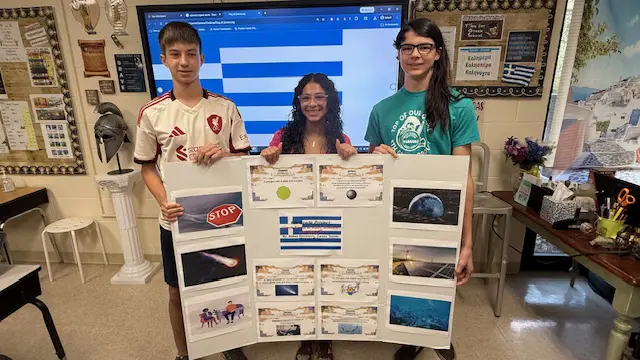
At Plato Academy Charter School in Tarpon Springs, Florida, the Greek world is not simply a chapter in a history book. It is a living thread woven through the school’s curriculum, and this season’s student projects make that clearer than ever. Across three middle school grades, here is an example from Mr. Ioannis Giavaras’ classes of how students with the help of their Greek teachers are exploring the ancient Greek world from very different angles, and the results are as varied as they are impressive.
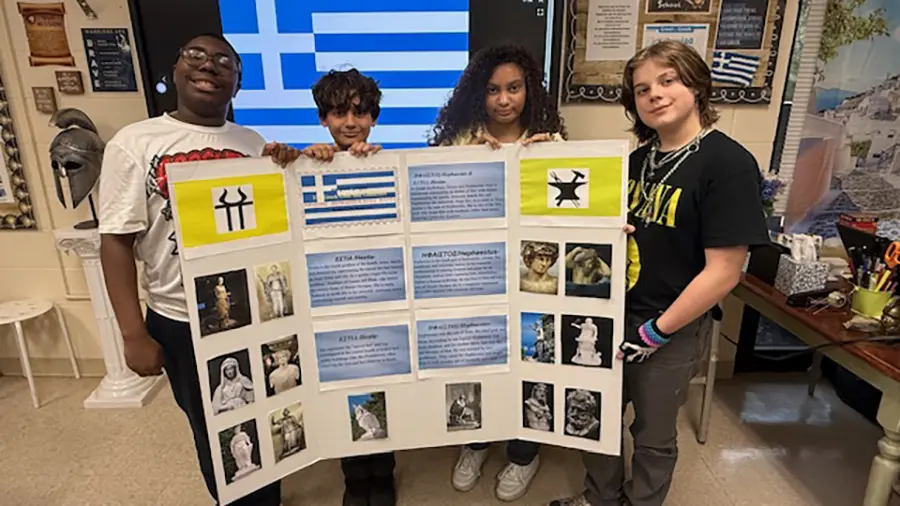
6th Grade: The Gods and Heroes of Greek Mythology

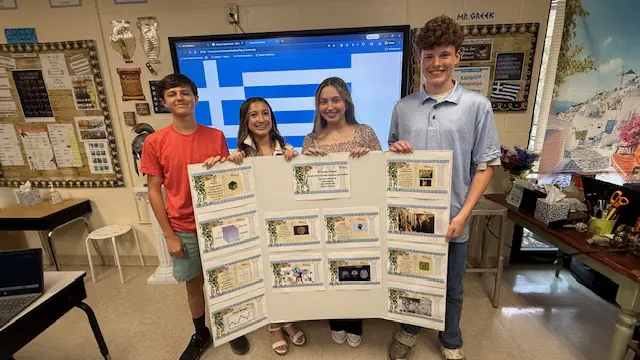
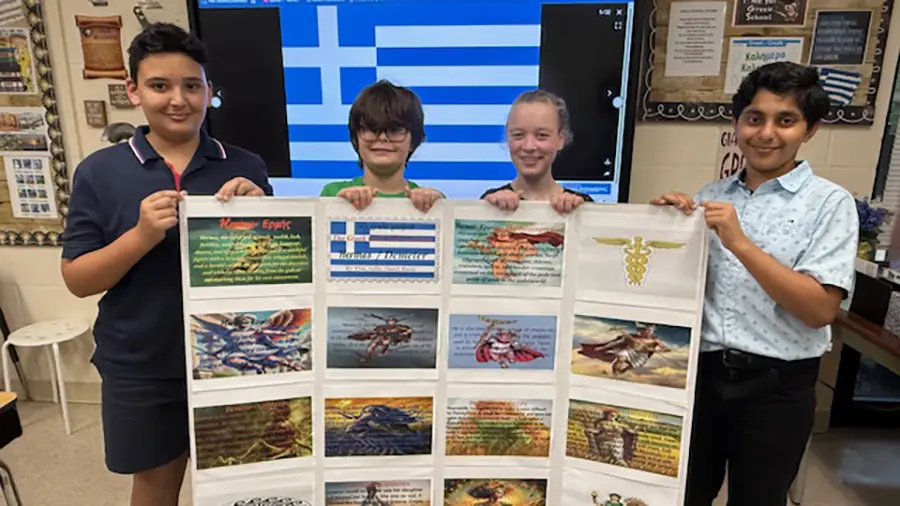
Sixth graders dove into the stories that have captivated readers for thousands of years. Greek mythology is far more than a collection of dramatic tales about jealous gods and impossible quests. It is the foundational storytelling tradition that gave Western literature its archetypes, its moral questions, and much of its vocabulary. Students explored figures such as Zeus, Athena, Heracles, and Persephone, examining not just the stories themselves but what they reveal about how the ancient Greeks understood the world, power, justice, and the human condition. Projects at this level push students to think critically about narrative, symbolism, and cultural meaning.

7th Grade: Mapping the World of the Greek Islands

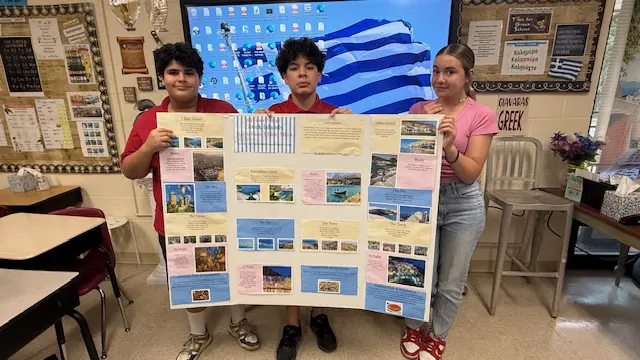
Seventh graders turned their attention to geography, studying the islands of Greece and the remarkable diversity packed into this relatively small but historically enormous part of the Mediterranean. From Crete, the cradle of Minoan civilization, to Rhodes, Corfu, Santorini, and the Cyclades, students discovered how geography shaped trade routes, culture, and the development of city-states. This project builds strong map literacy skills alongside a genuine appreciation for how place shapes people, a lesson as relevant to modern life as it was in antiquity.

8th Grade: The Greek Roots Behind the Language of Science and Medicine

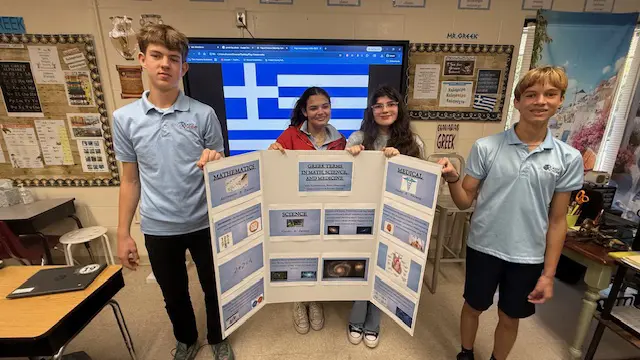
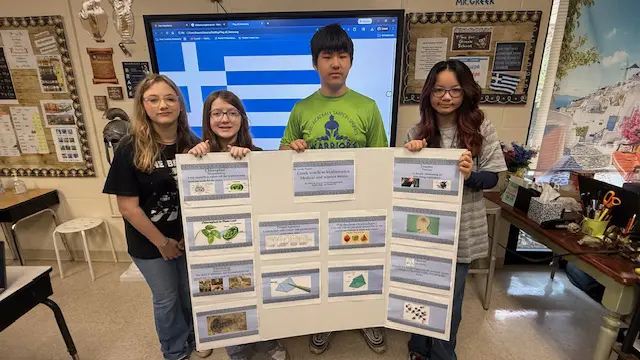
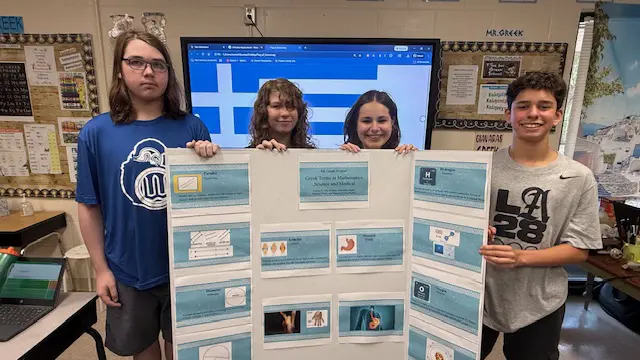
Perhaps the most practically powerful project belongs to the eighth graders, who studied Greek root words as they appear in mathematics, science, and medical terminology. Words like “thermometer,” “chromosome,” “polygon,” “cardiogram,” and “neurology” are not random strings of letters. They are constructed from Greek building blocks that, once understood, unlock the meaning of thousands of English words. For students heading into high school science and biology courses, this kind of vocabulary foundation is genuinely transformative. Recognizing that “cardio” means heart, “neuro” means nerve, or “geo” means earth gives students a reliable tool they will use for the rest of their academic lives.

Taken together, these three projects reflect exactly what sets Plato Academy apart. The school’s connection to Greek heritage is not ceremonial. It is academic, rigorous, and purposeful, giving students a richer lens through which to read, think, and communicate.

And when the school day calls for a different kind of expression, students step into Greek dance practice, learning traditional choreography that connects movement, music, and cultural memory in a way no classroom lesson can replicate on its own.

Apply to Attend


Learn More

Upcoming Events

We are using cookies to give you the best experience. You can find out more about which cookies we are using or switch them off in privacy settings.
AcceptPrivacy Settings

GDPR

  • Privacy Policy
  • Google Analytics

Privacy Policy

Plato Academy collects data through the use of cookies to optimize the user experience and target the content on this website. By clicking ACCEPT you accept the use of cookies from us and from third parties on the website.

For more information about cookies, how we use your data, and more, check out our Privacy Policy.

Google Analytics

This website uses Google Analytics to collect anonymous information such as the number of users, general geolocation, time spent on a page, and more. Keeping this cookie enabled helps us to create better user experiences by tailoring the information to what you are interested in.

To learn more about Google Analytics policies regarding your data, feel free to go through their Terms of Use and Privacy Policy.