By the Plato Academy Schools Editorial Team
There is a particular kind of learning that no textbook can fully replicate, the kind that happens when a student stands inside a gallery surrounded by oil paintings of the American frontier, or watches a bottlenose dolphin slip through dark green water just a few feet from the bow of a boat. For the sixth graders at Plato Academy Seminole, that kind of learning arrived on a single, packed day that took them from the polished halls of a world-class art museum straight into the living, breathing ecosystems of Tampa Bay.
The trip, organized by Mrs. Kendrick, was built around two destinations that, at first glance, might seem unrelated. In practice, they formed a cohesive and intellectually rich experience that extended what students had been studying in the classroom into the real world around them.
A Morning Among the American West
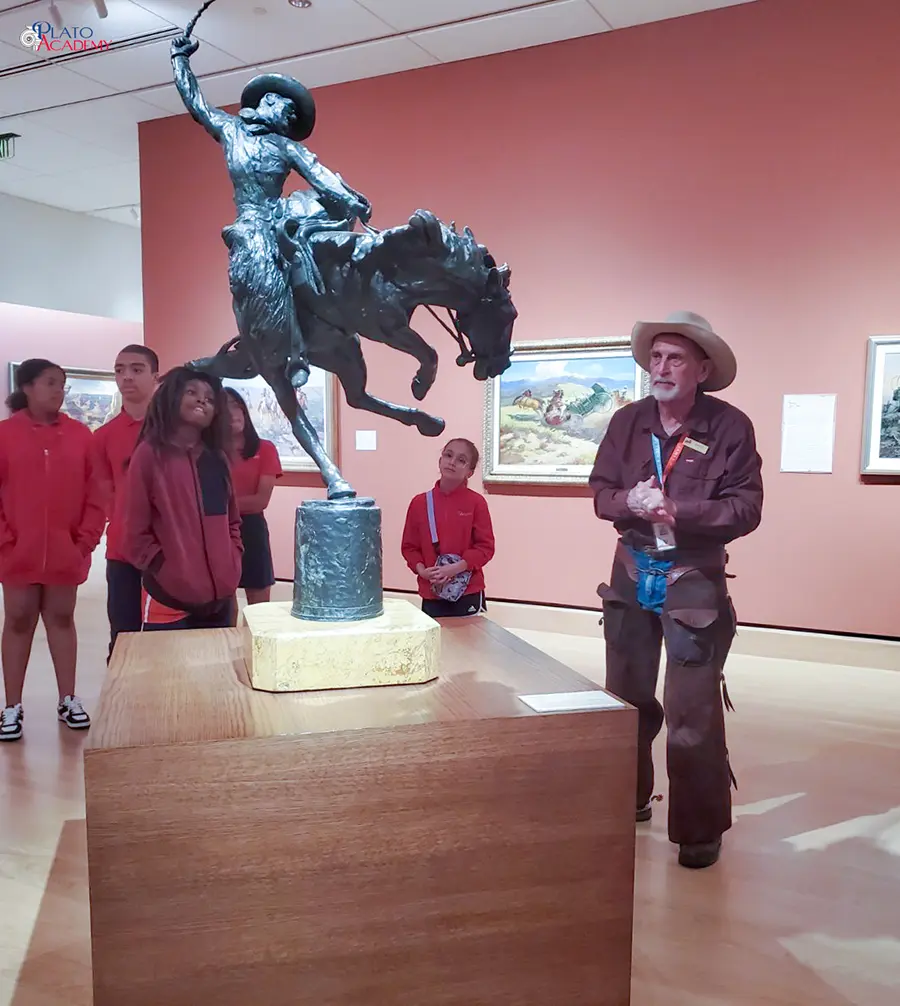
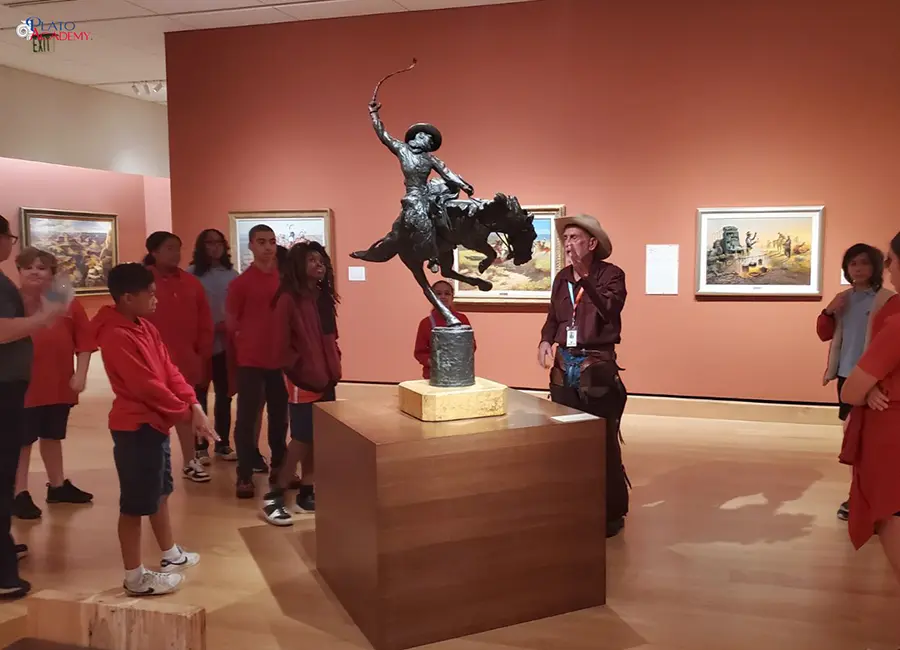
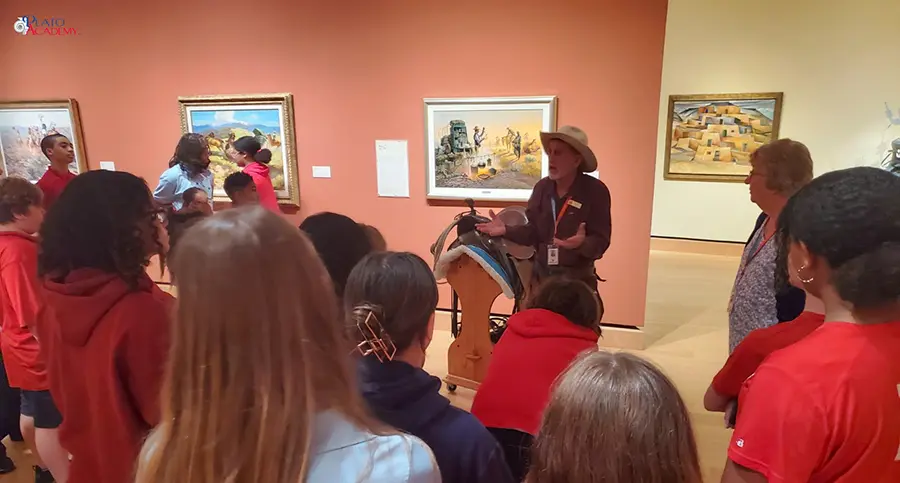
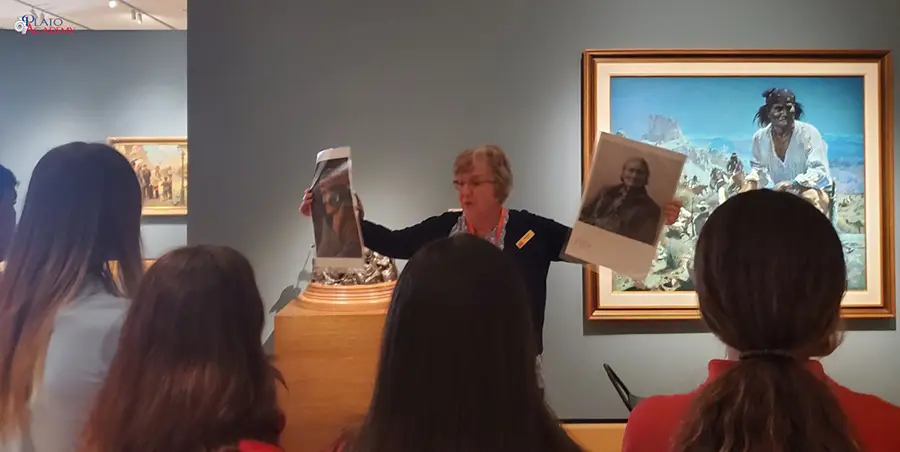
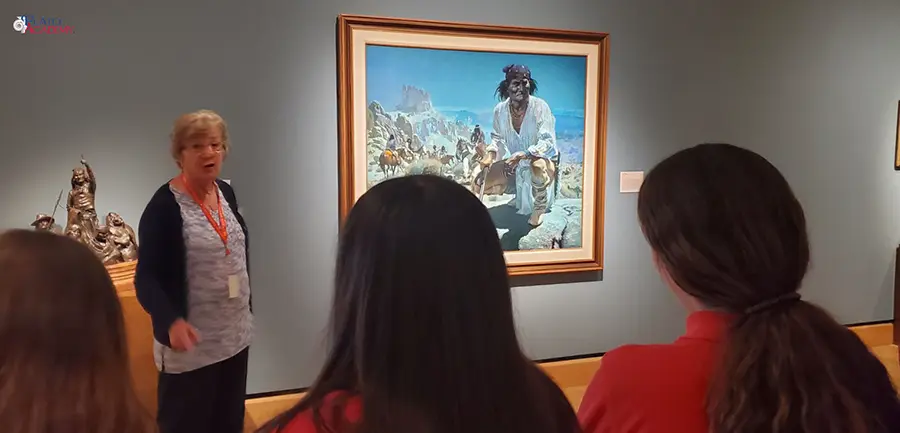
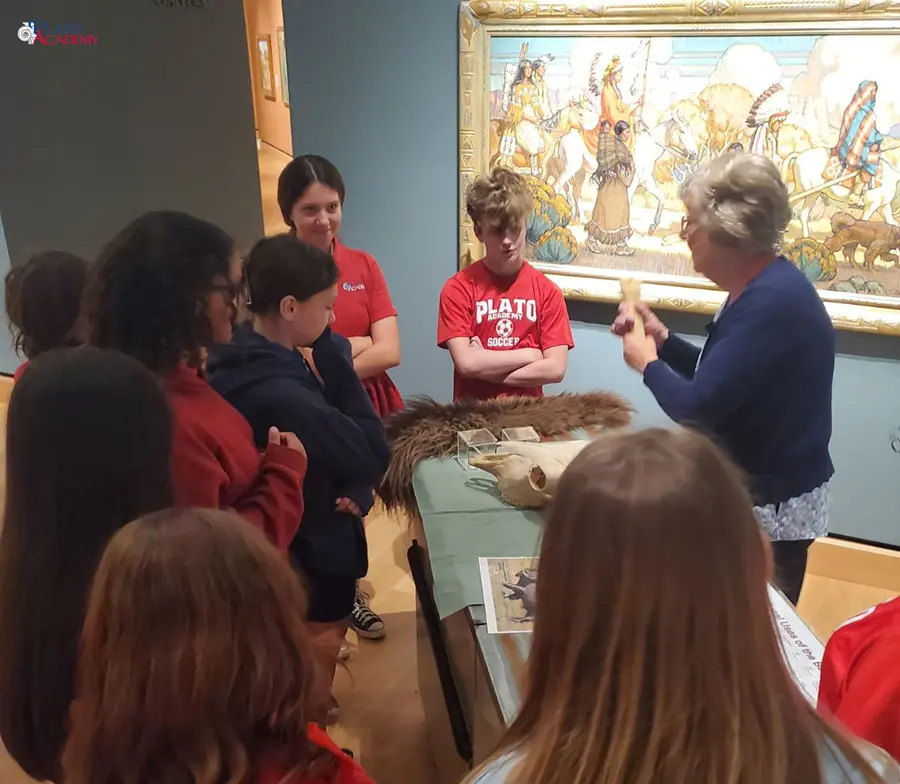
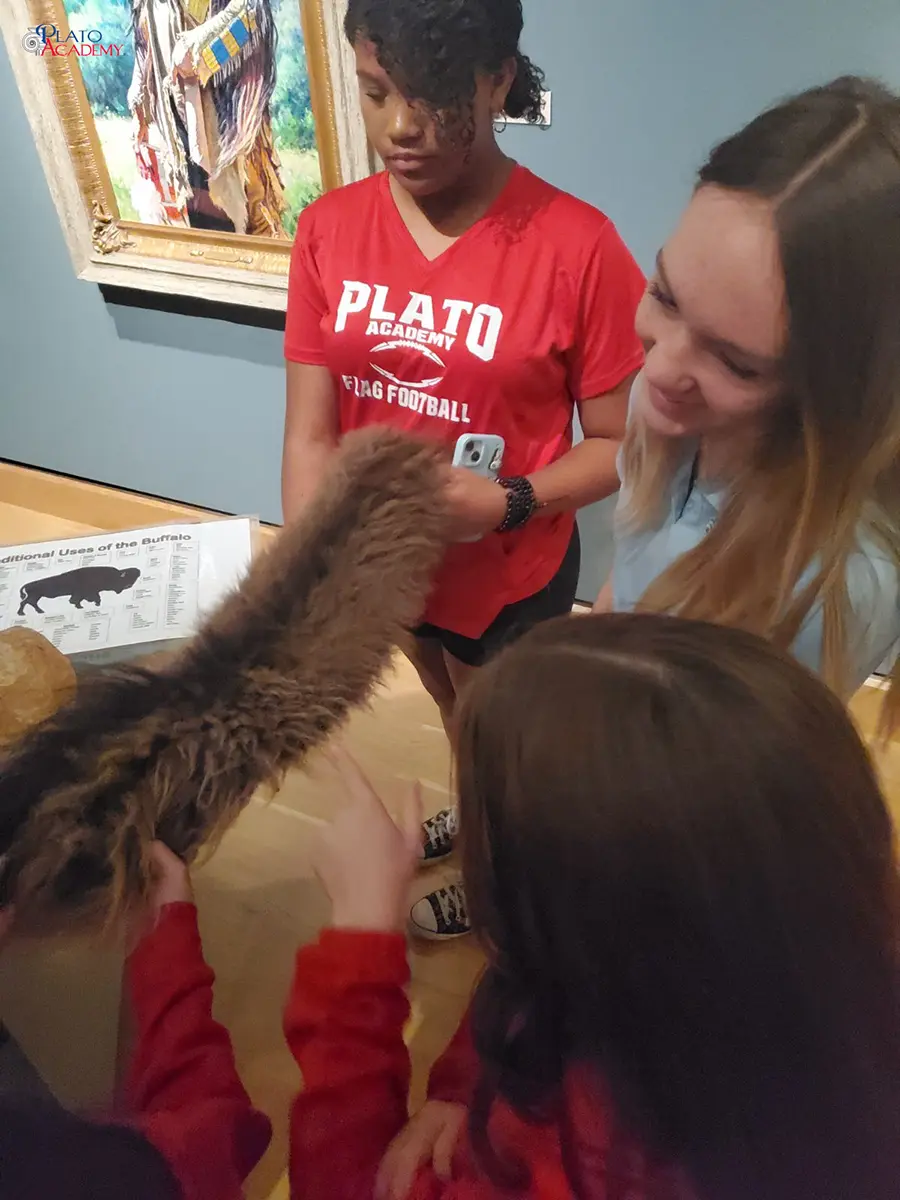
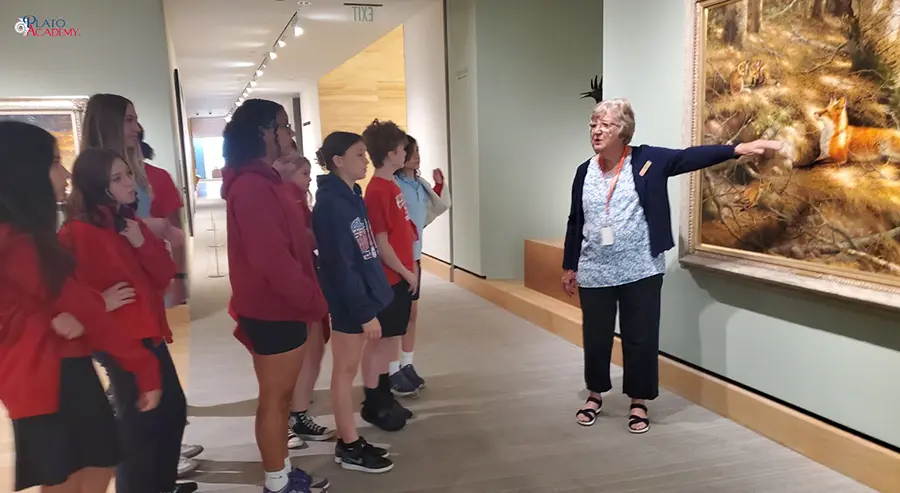
The day opened at the James Museum of Western and Wildlife Art in downtown St. Petersburg, one of Florida’s most significant cultural institutions and a stunning home to more than 1,000 works celebrating the landscapes, peoples, and wildlife of the American West. For students deep in a civics and history curriculum, walking through those galleries was not a departure from their studies. It was a direct continuation.
When students engage with their surroundings, they develop real relationships to history, place, and responsibility.
The exhibits at the James offer layered narratives: the stories of Indigenous communities, the expansion of the frontier, the relationship between human civilization and the natural world, and the role that artists and storytellers played in shaping the American identity.
For many students, this was their first visit to a major art museum. The James, with its inviting atmosphere and its commitment to accessible, story-driven exhibits, proved an ideal introduction.
Taking to the Water with Tampa Watch
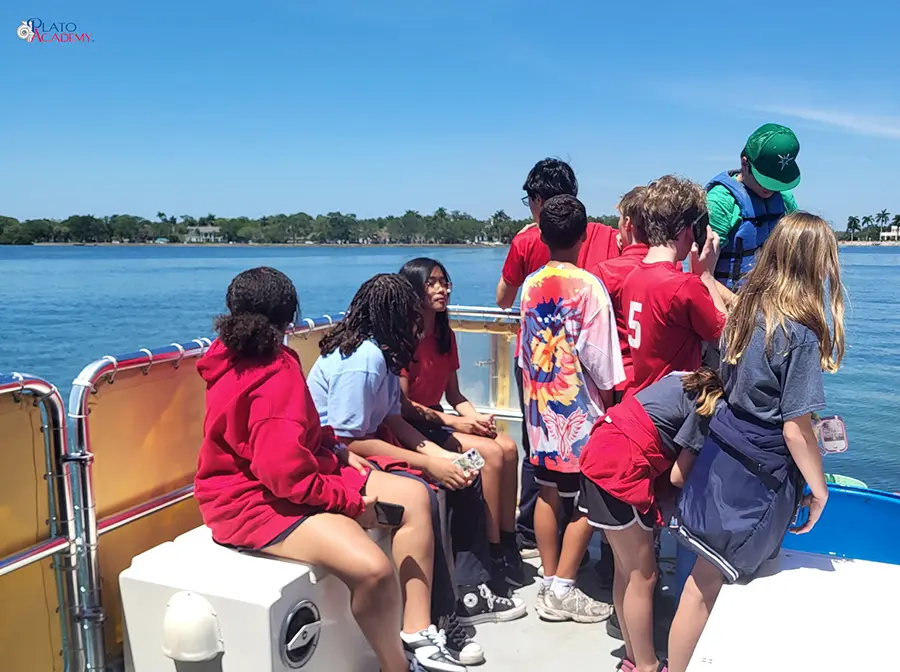
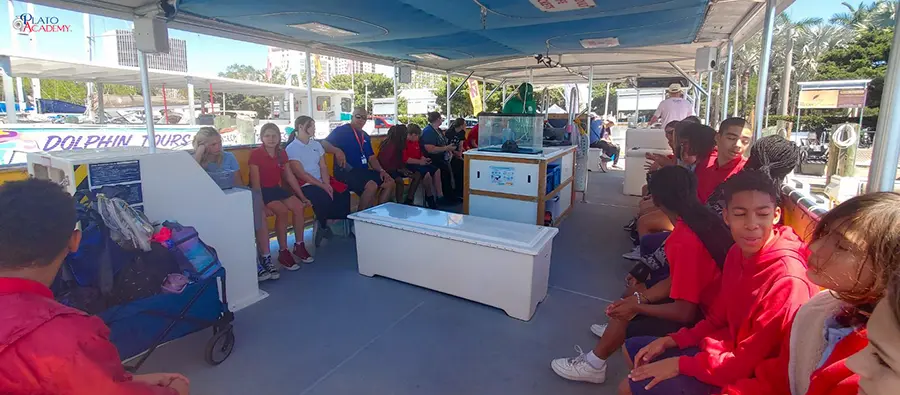
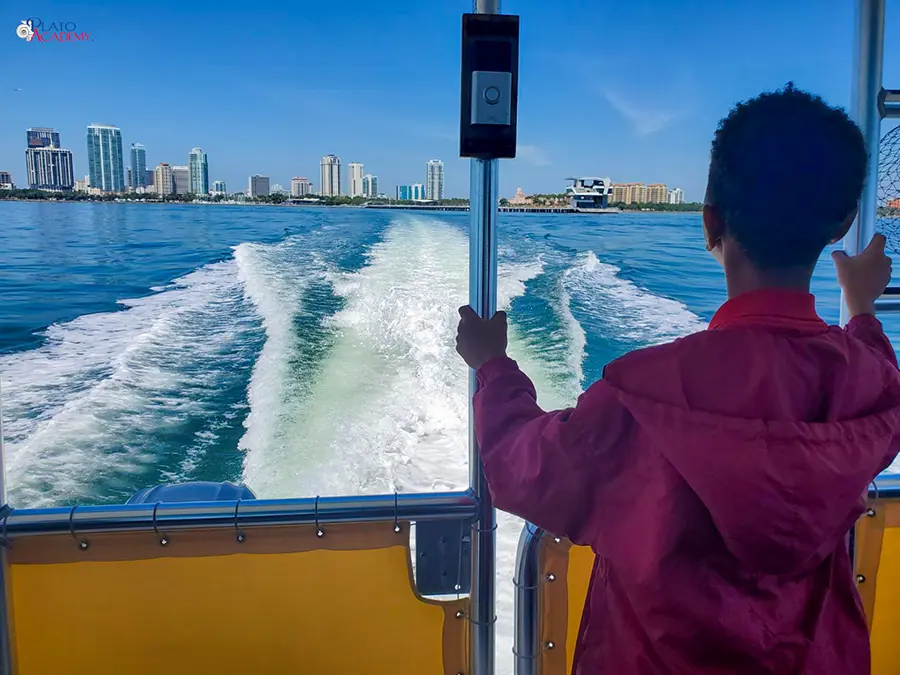
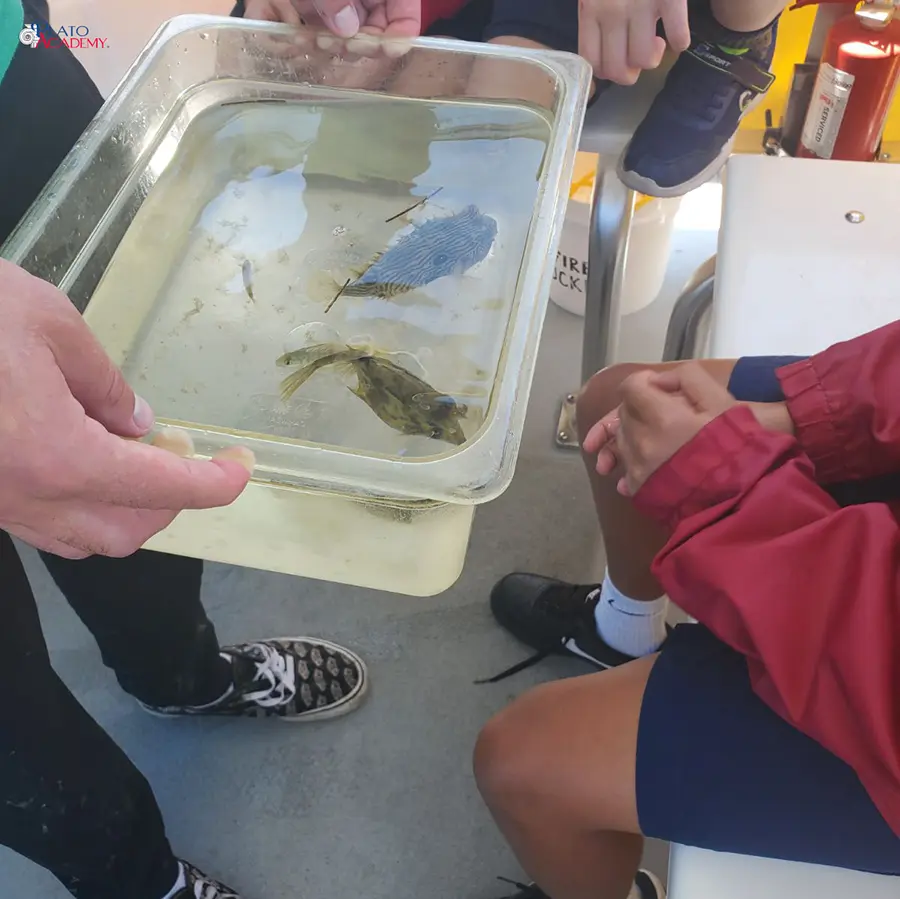
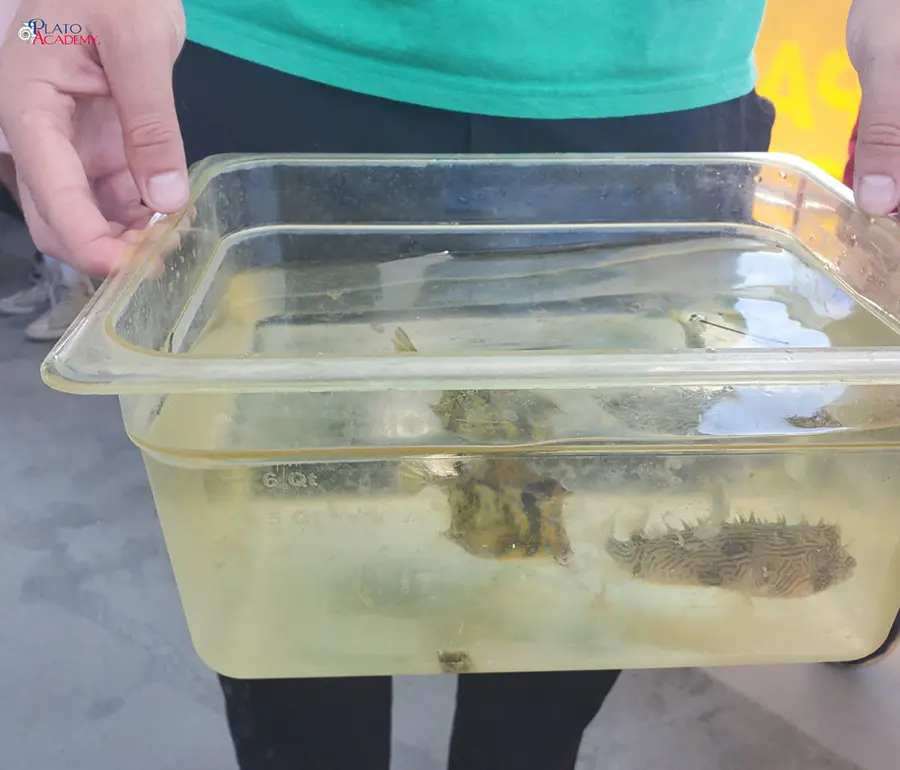
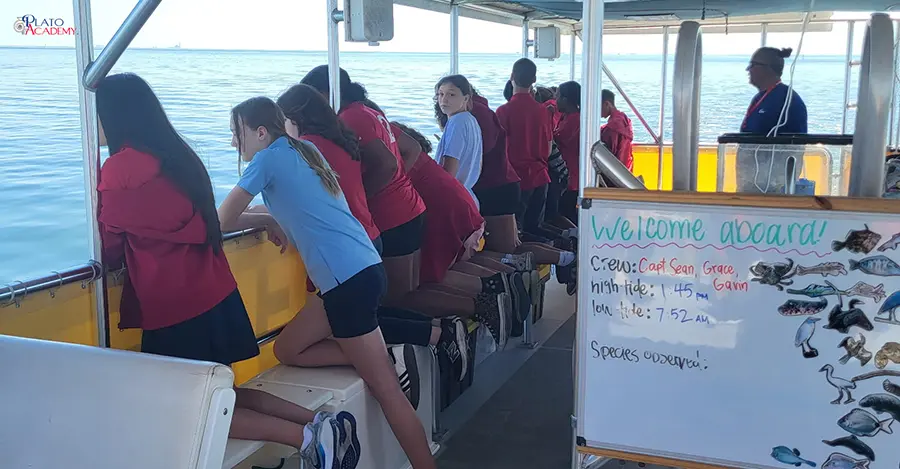
After the museum, the group made their way to the waterfront for a wildlife and eco tour led by Tampa Watch, an organization dedicated to education and conservation across the Tampa Bay watershed. The shift in setting was dramatic, and deliberately so.
Where the morning had been about history recorded on canvas and bronze, the afternoon was about ecosystems observed in real time. Students learned about the species that inhabit Tampa Bay, from the seagrass beds that anchor the food chain to the ospreys, pelicans, manatees, and dolphins that depend on the bay’s health. Tampa Watch educators are skilled at connecting environmental science to civic responsibility, a natural bridge to the educational content classes cover throughout the year.
The message embedded in that eco tour, that the health of a community is inseparable from the health of its natural environment, resonated well with students who are at exactly the right age to begin thinking about themselves as active participants in the world around them.
Why Experiential Learning Matters at Plato Academy Schools
Plato Academy Schools has long recognized that the classroom is one part of a larger educational ecosystem. Field experiences, community partnerships, and project-based learning complement rigorous academic instruction in ways that research consistently supports. Students who engage with content across multiple settings retain information more effectively, develop stronger critical thinking skills, and build civic awareness that shapes responsible, engaged adults.
Plato Academy Seminole continues to be a school where educational ambition and community connection walk hand in hand, and where teachers like Mrs. Kendrick are given the support and freedom to bring that ambition to life.