Seventh Grade Invents the Ancient Greek Game Challenge

What happens when middle schoolers become game designers? At Plato Academy’s St. Petersburg campus, Mrs. Kalligas challenged her students to create something entirely original, and the results turned creative thinking into competitive fun.

“When students design games based on Greek mythology, they stop memorizing facts and start living history, all while discovering their own creative power.”

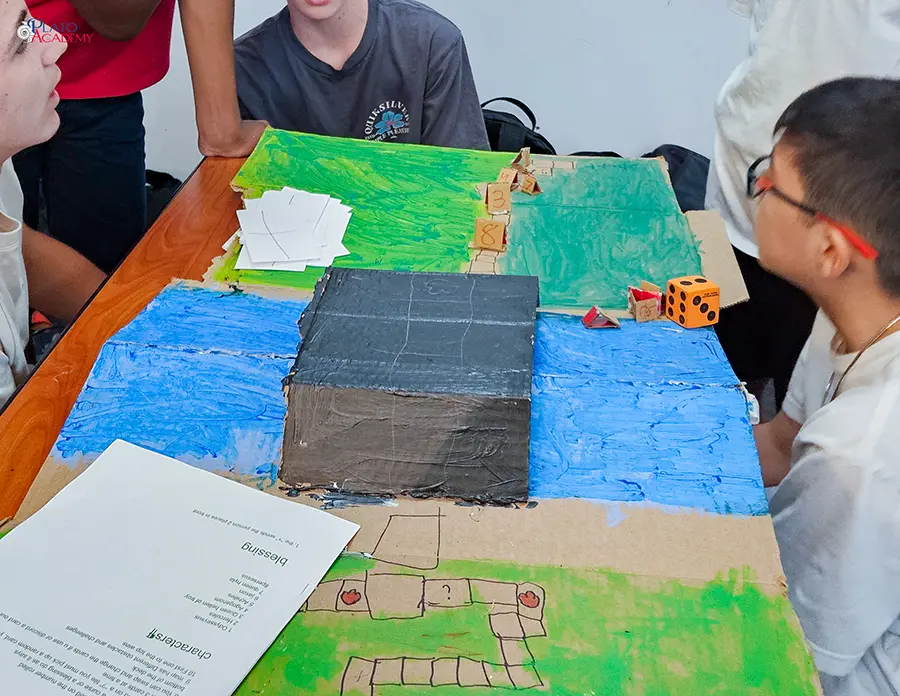
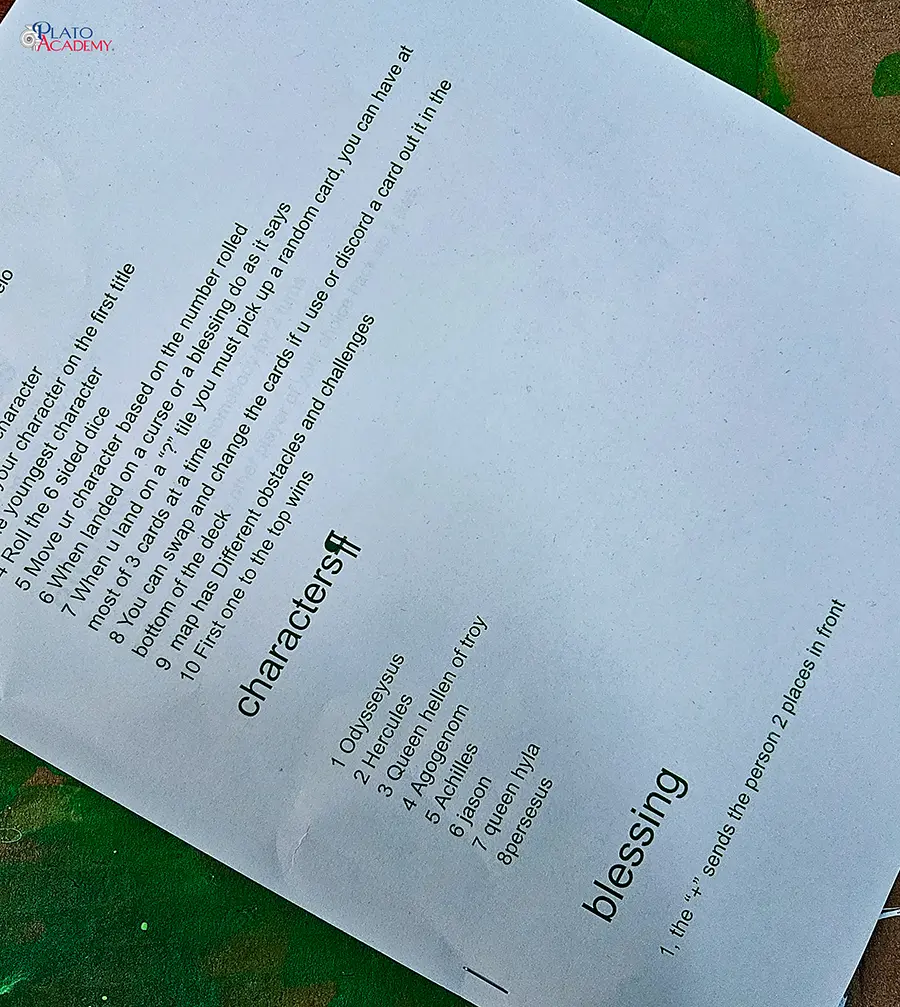
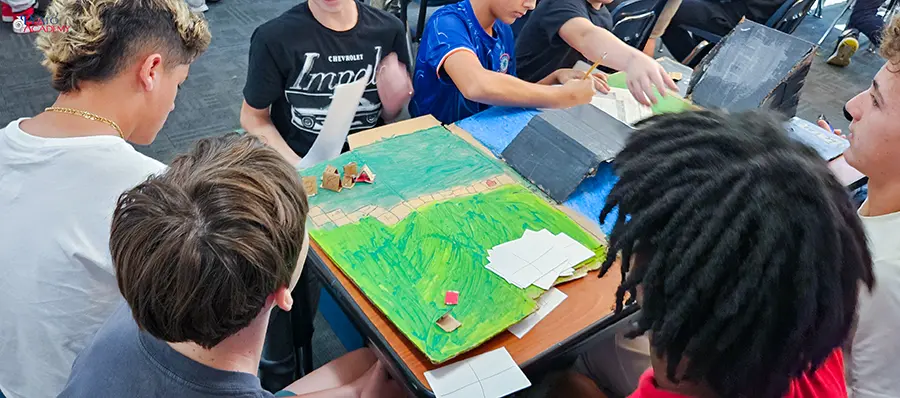
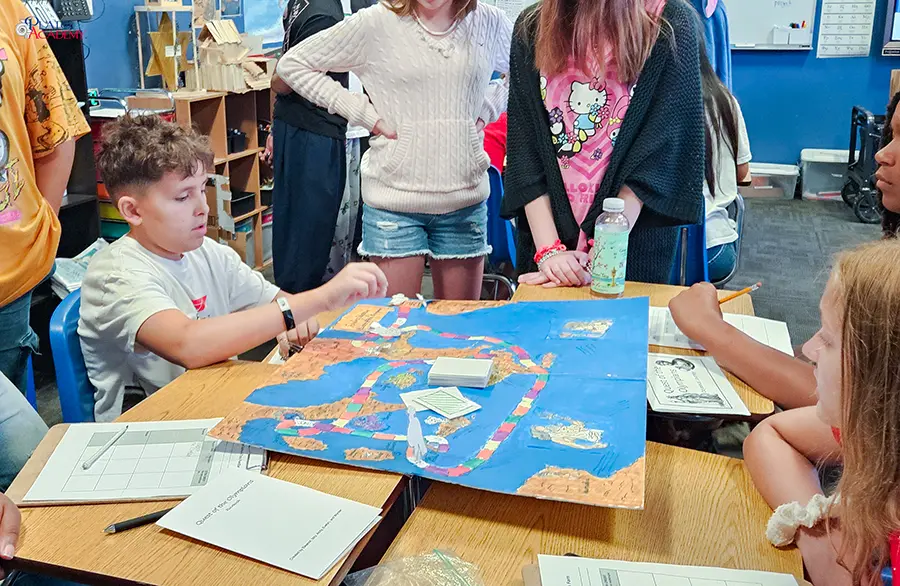
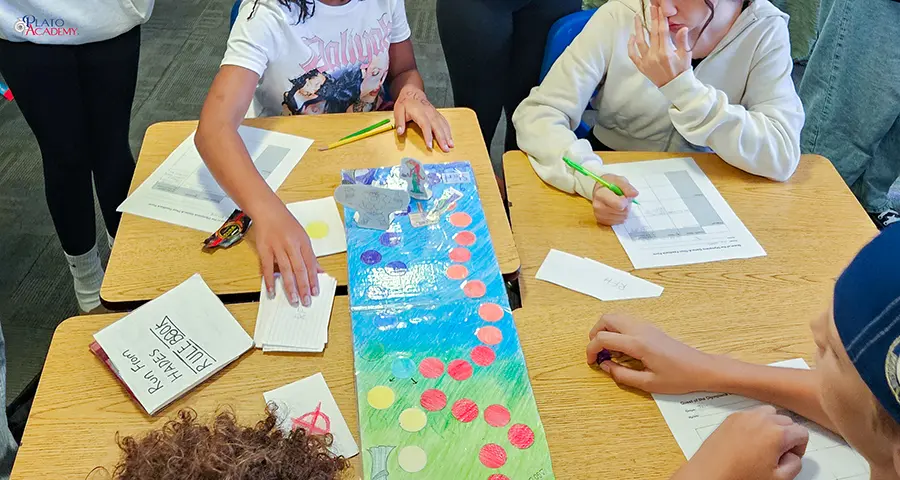
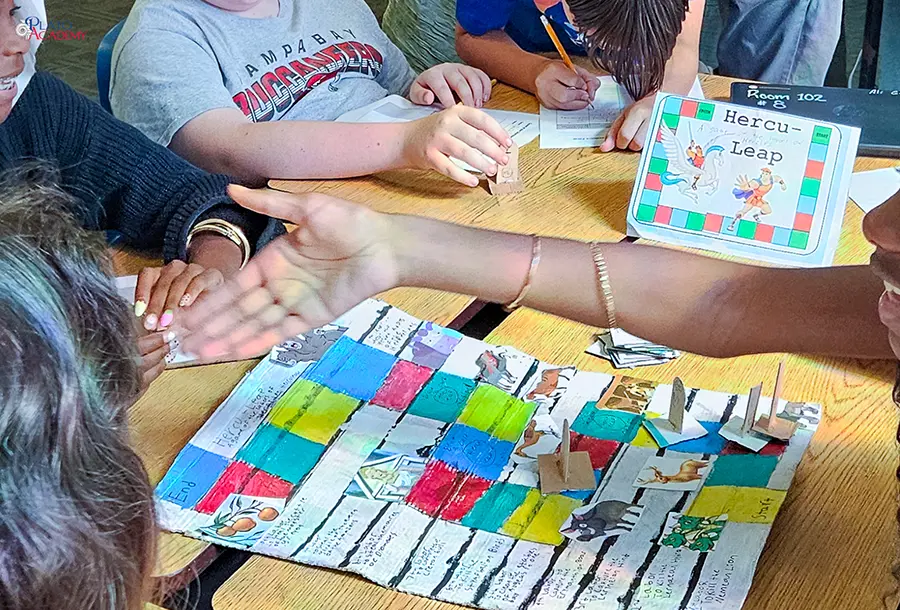
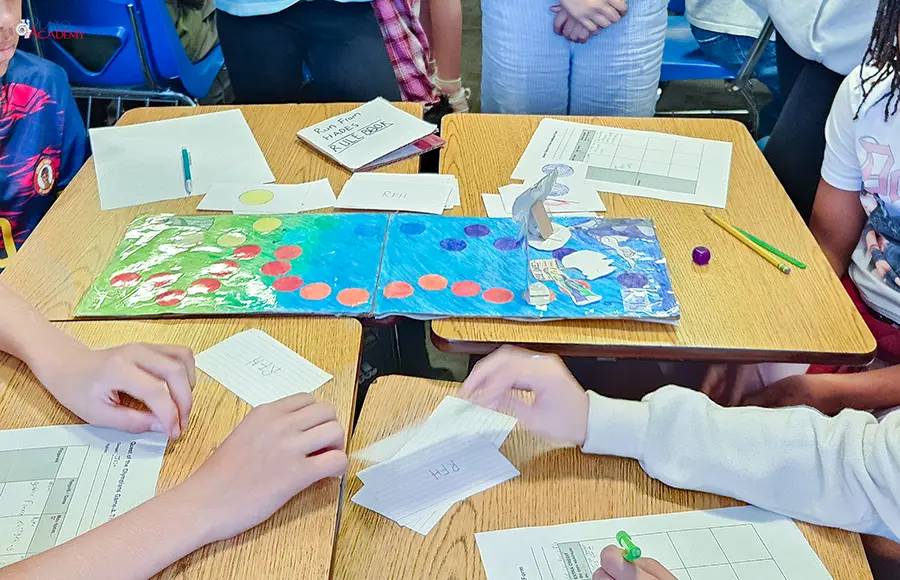
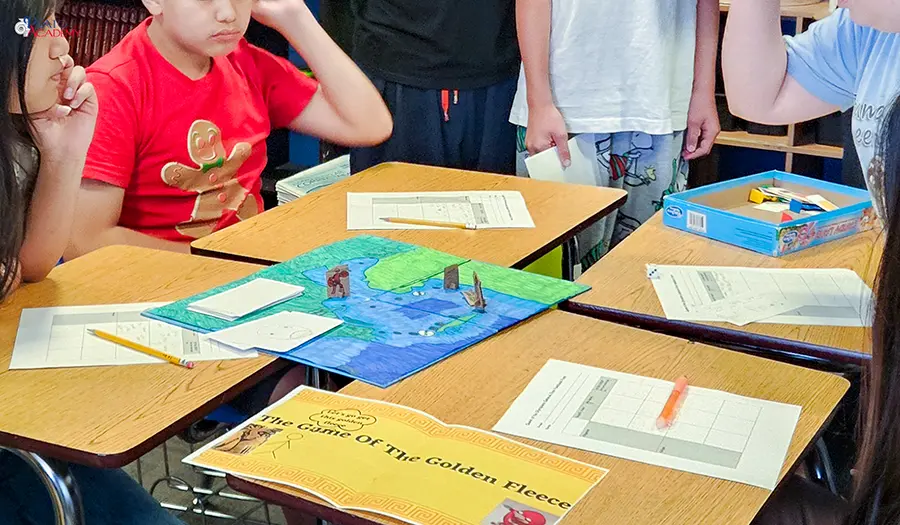
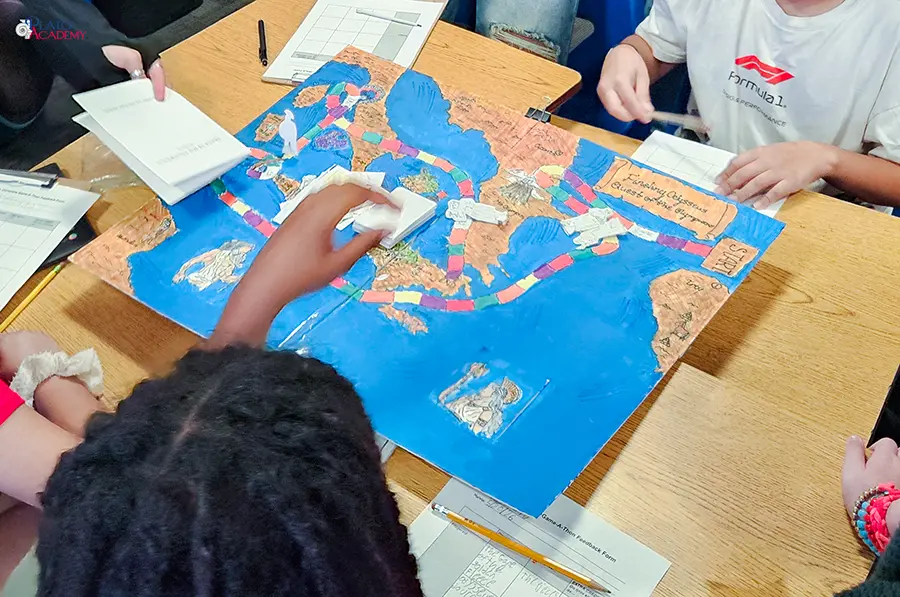
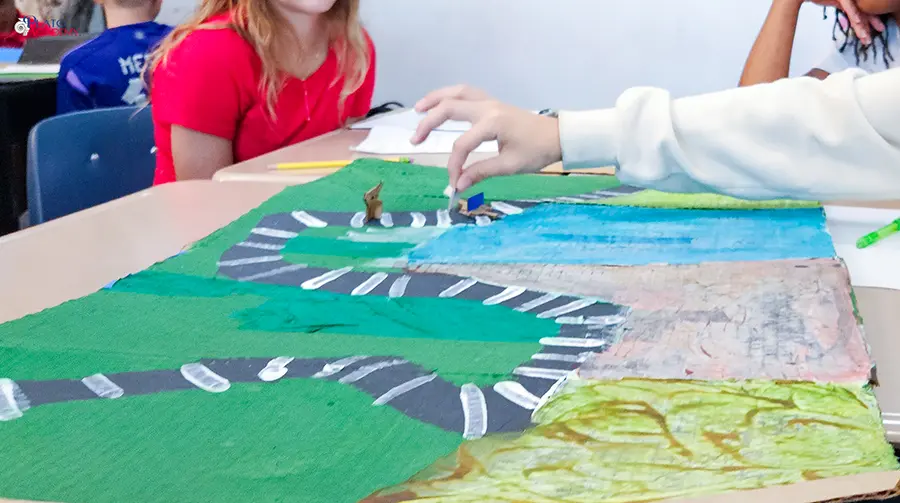
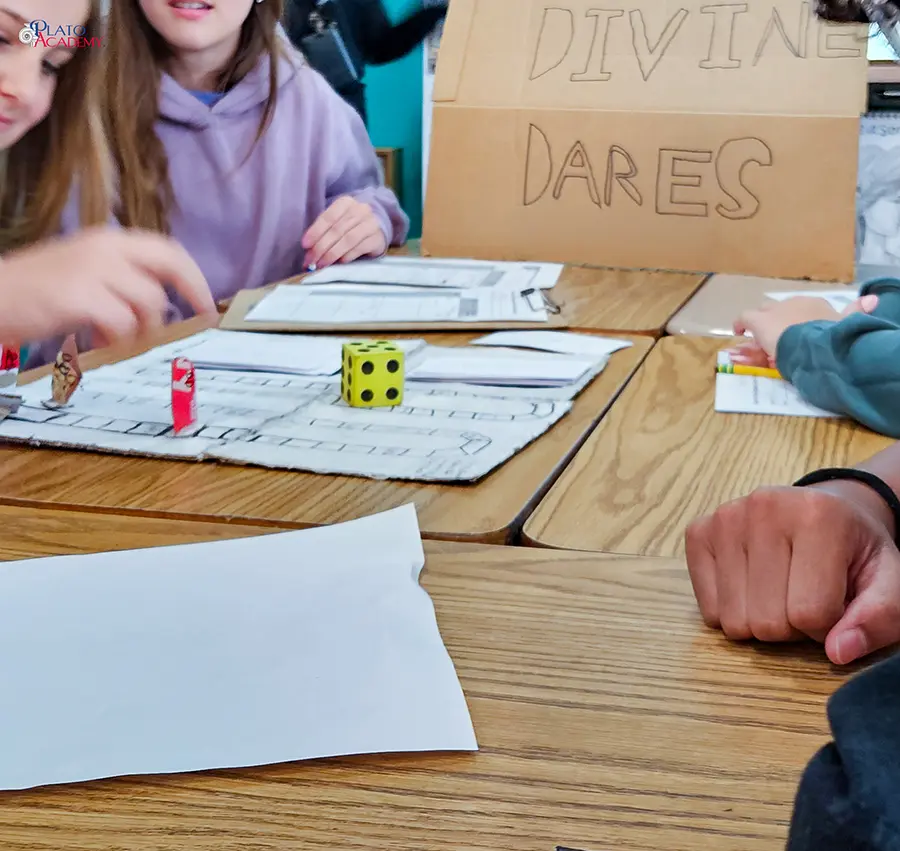
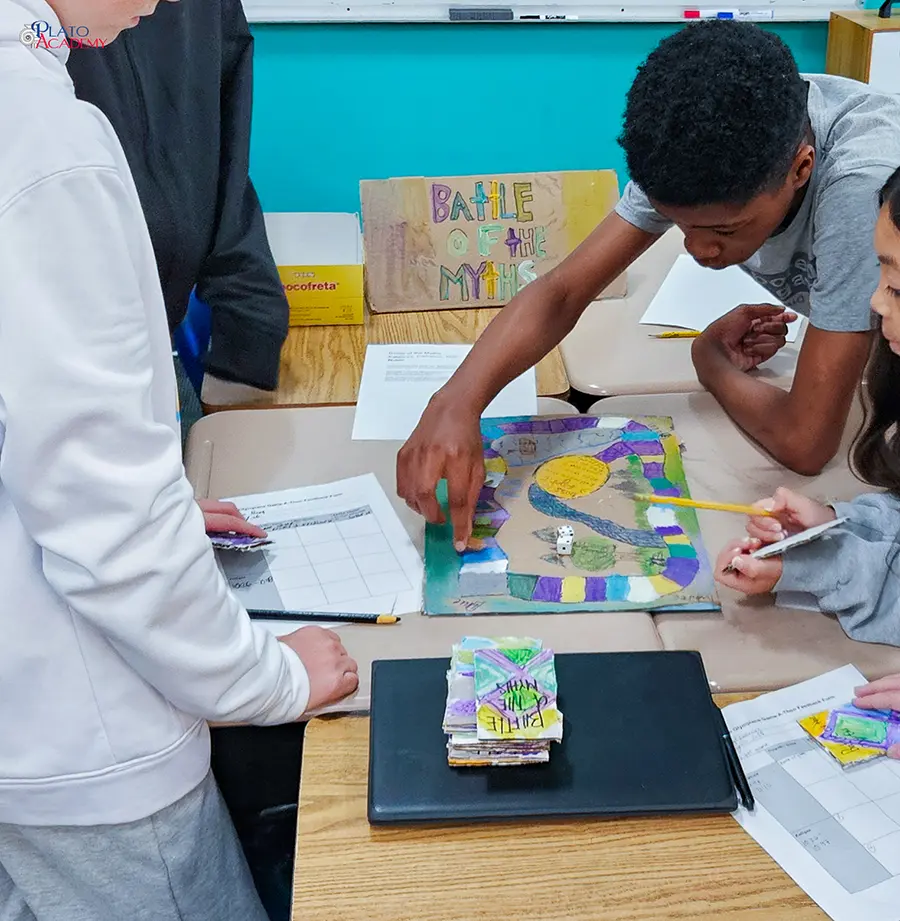
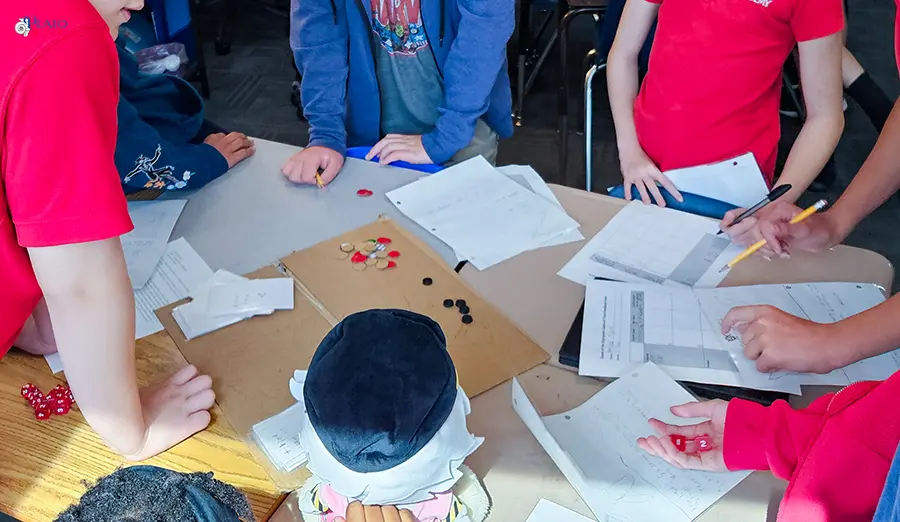
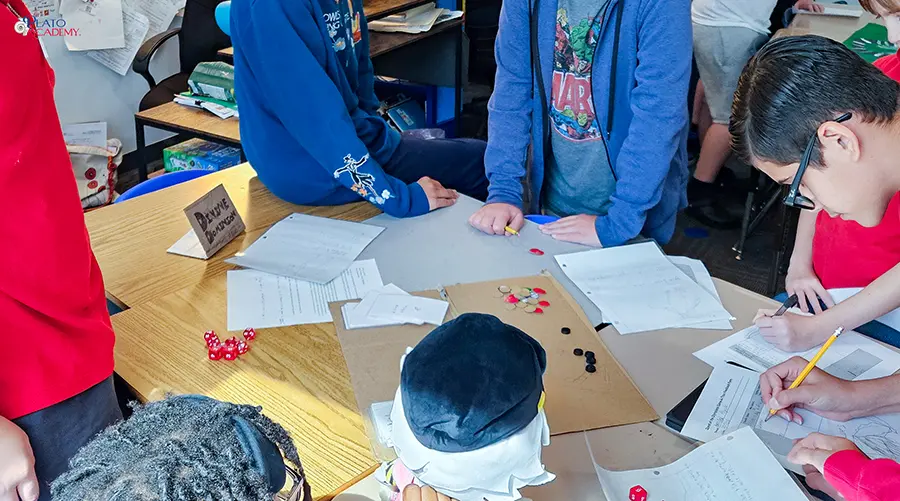
The Challenge Students worked in small teams to design board games rooted in Greek mythology. Each game had to include gods, heroes, monsters, and famous locations from Ancient Greece while remaining genuinely playable. The final products were impressive, demanding game boards, custom cards, unique pieces, and clearly written rules. Accuracy mattered as much as entertainment value.

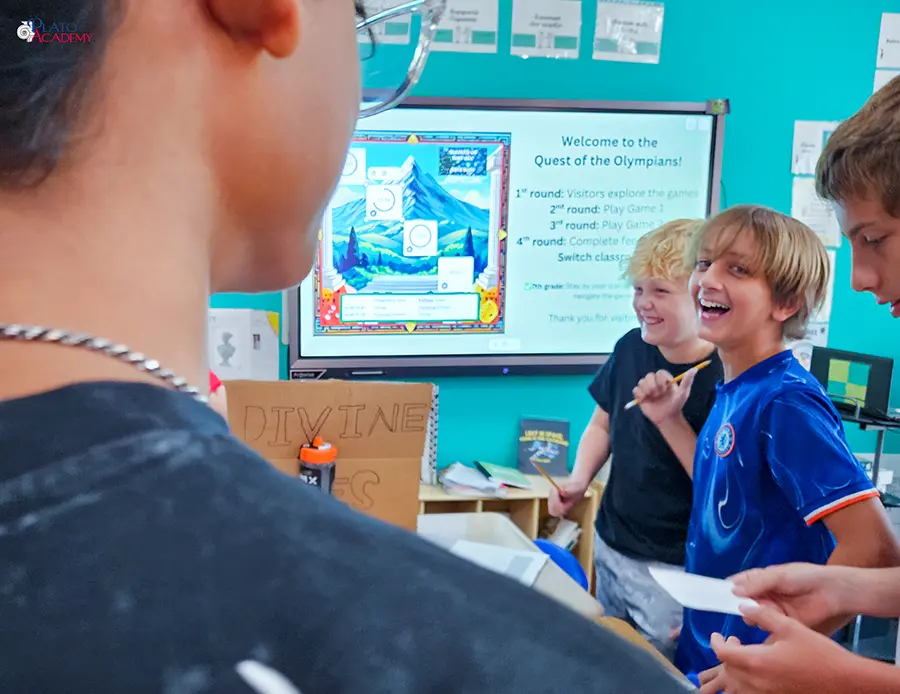
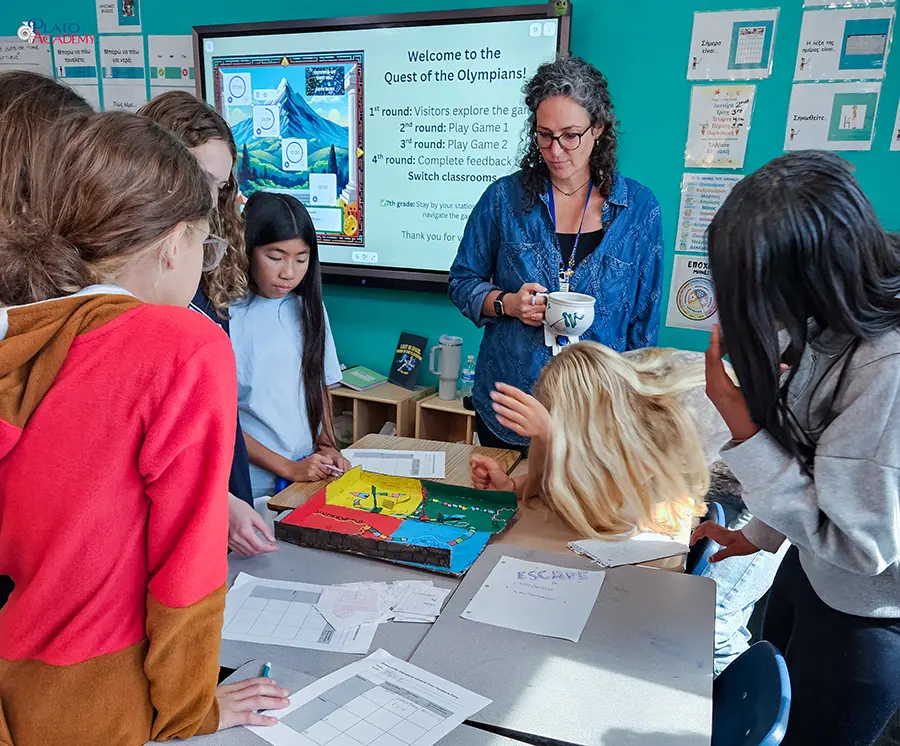
Game-A-Thon Brings It All Together The real test came during Game-A-Thon, when sixth-graders visited seventh-grade classrooms to play these homemade games. After playing, the younger students provided feedback, noting what worked well and where improvements could shine. That peer-to-peer interaction transforms a classroom project into genuine collaboration across grade levels. The seventh-graders received actionable responses, and the sixth-graders gained insight into the effort behind quality game design.

Beyond the Final Grade This project teaches something textbooks alone cannot. Students learn that accuracy and creativity work together beautifully. They discover how rules and balance affect playability. They experience the satisfaction of creating a board game others genuinely want to play.
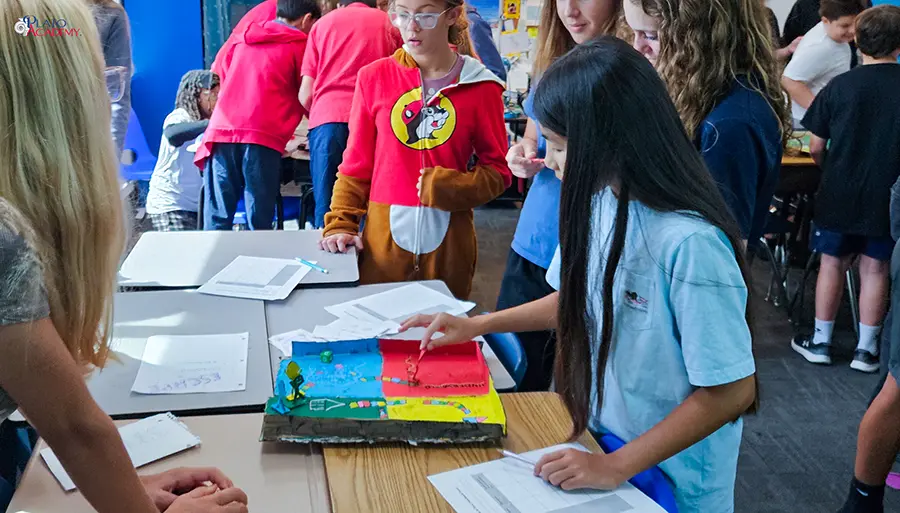
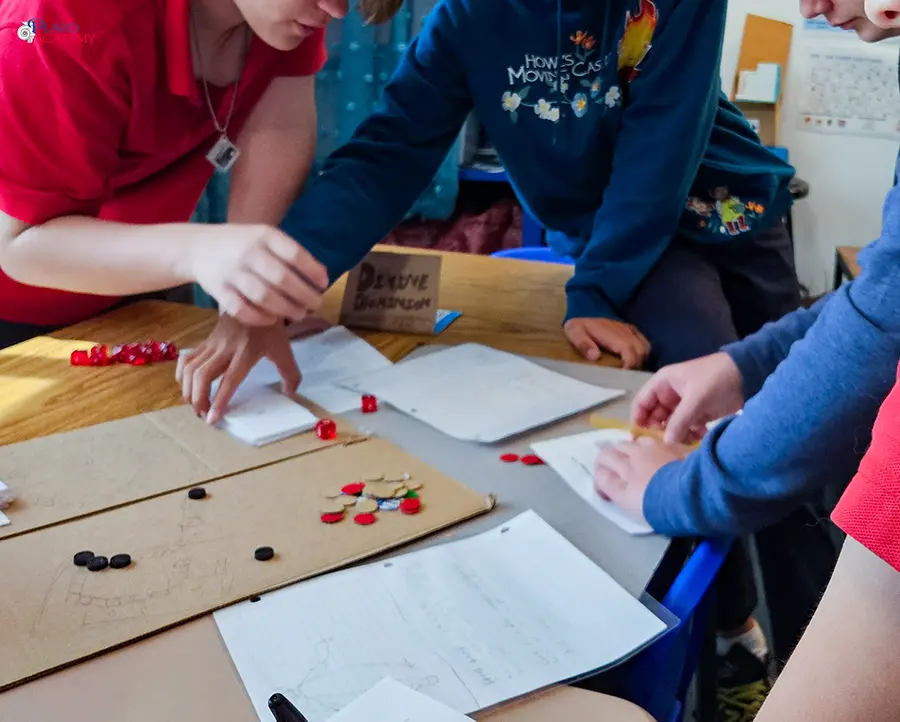
Can a board game really teach mythology? Absolutely. When students design games incorporating Greek gods, monsters, and mythological locations, they research deeply to ensure accuracy. The creative process embeds those details into memory far more effectively than traditional study methods. Playability requires understanding how these elements interact, deepening comprehension naturally.

Why peer feedback for sixth graders? Cross-grade collaboration builds leadership skills in seventh graders and shows younger students what quality work looks like. Sixth graders become critical thinkers, evaluating game balance and design choices. That observation teaches them valuable lessons about what makes projects succeed or need refinement.

How does this connect to Plato Academy’s approach? Plato Academy schools emphasize project-based learning where creativity meets academic rigor. This board game challenge demonstrates that principle perfectly, combining historical research with artistic design and practical problem-solving. At Plato Academy’s eight locations, including St. Petersburg, we create environments where students do real work that matters.

Apply to Attend


Learn More

Upcoming Events

We are using cookies to give you the best experience. You can find out more about which cookies we are using or switch them off in privacy settings.
AcceptPrivacy Settings

GDPR

  • Privacy Policy
  • Google Analytics

Privacy Policy

Plato Academy collects data through the use of cookies to optimize the user experience and target the content on this website. By clicking ACCEPT you accept the use of cookies from us and from third parties on the website.

For more information about cookies, how we use your data, and more, check out our Privacy Policy.

Google Analytics

This website uses Google Analytics to collect anonymous information such as the number of users, general geolocation, time spent on a page, and more. Keeping this cookie enabled helps us to create better user experiences by tailoring the information to what you are interested in.

To learn more about Google Analytics policies regarding your data, feel free to go through their Terms of Use and Privacy Policy.