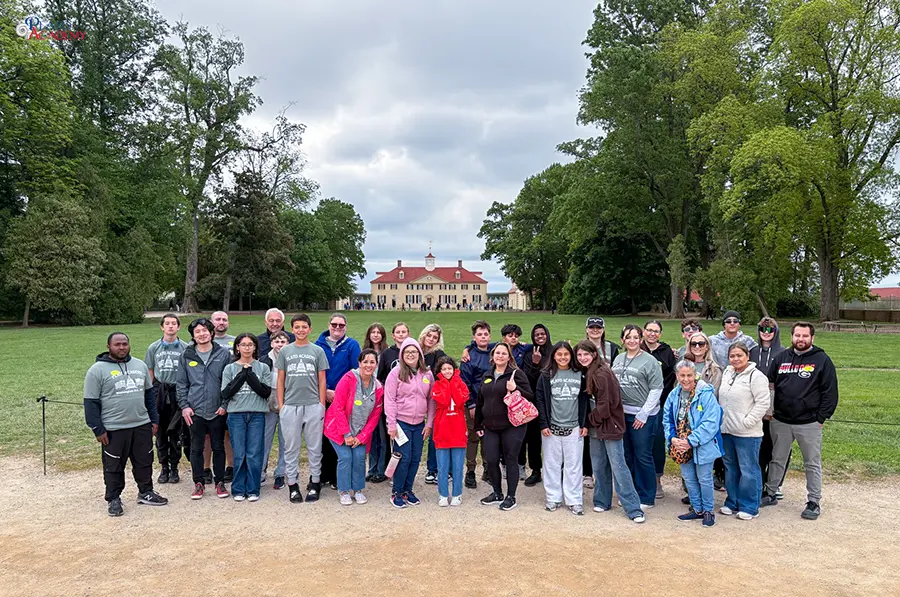
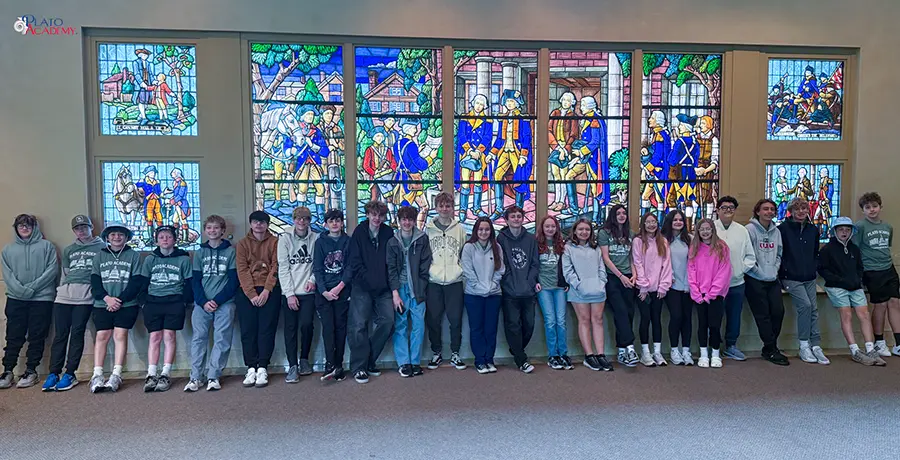
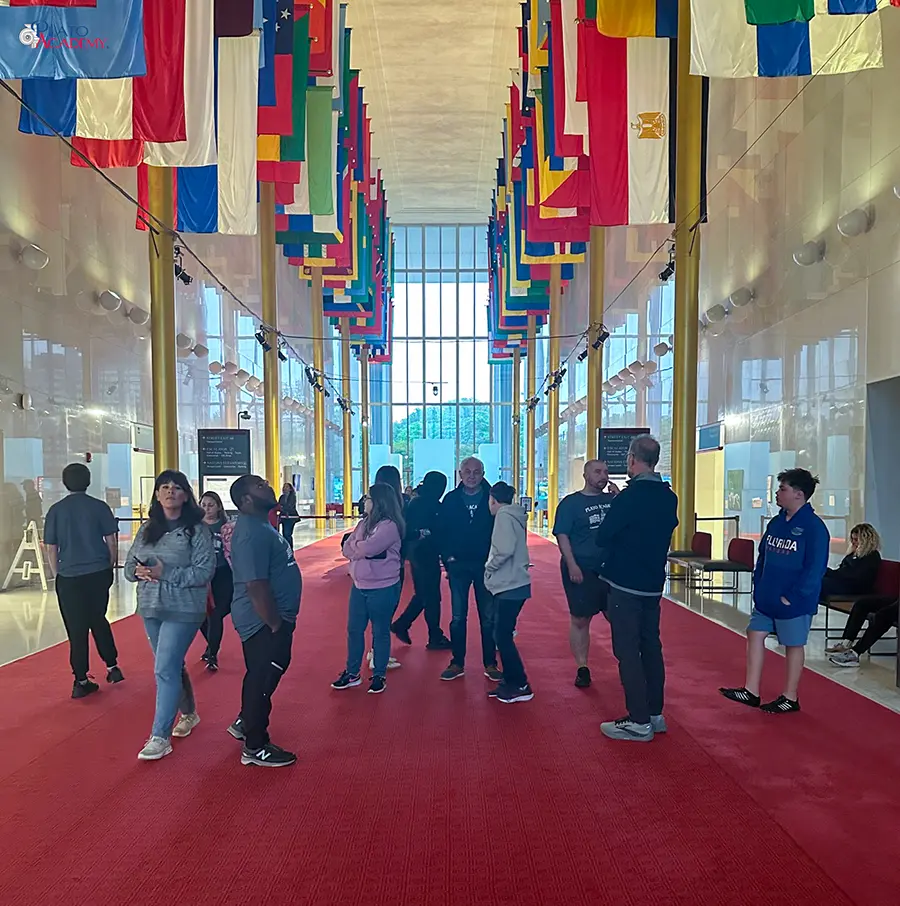
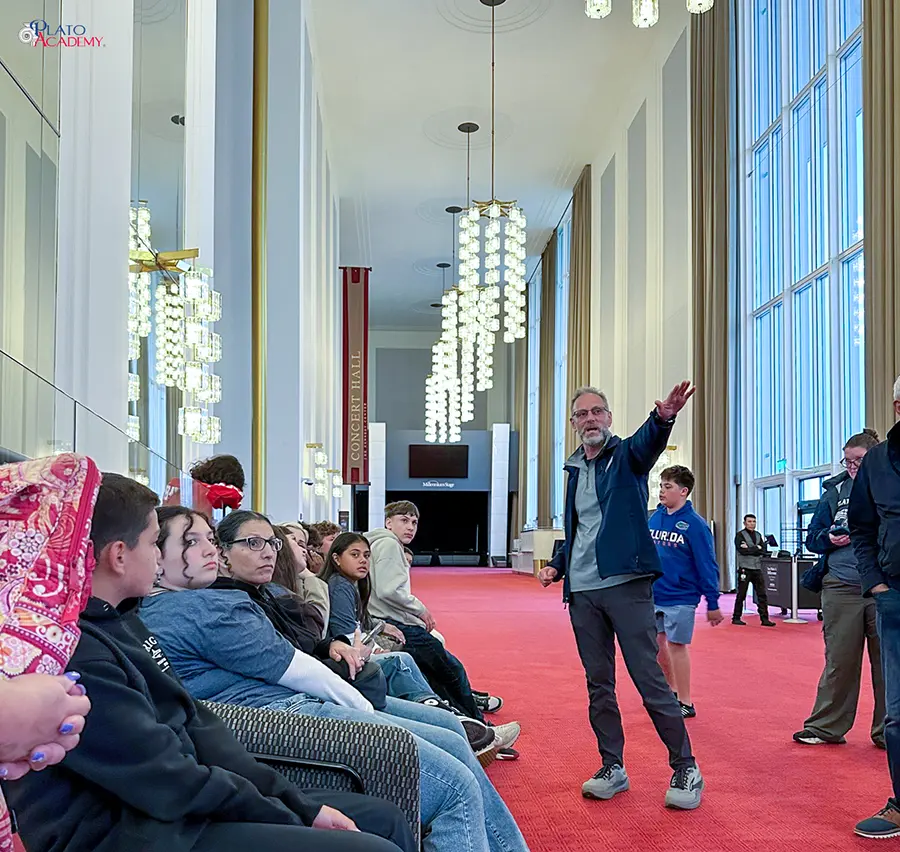
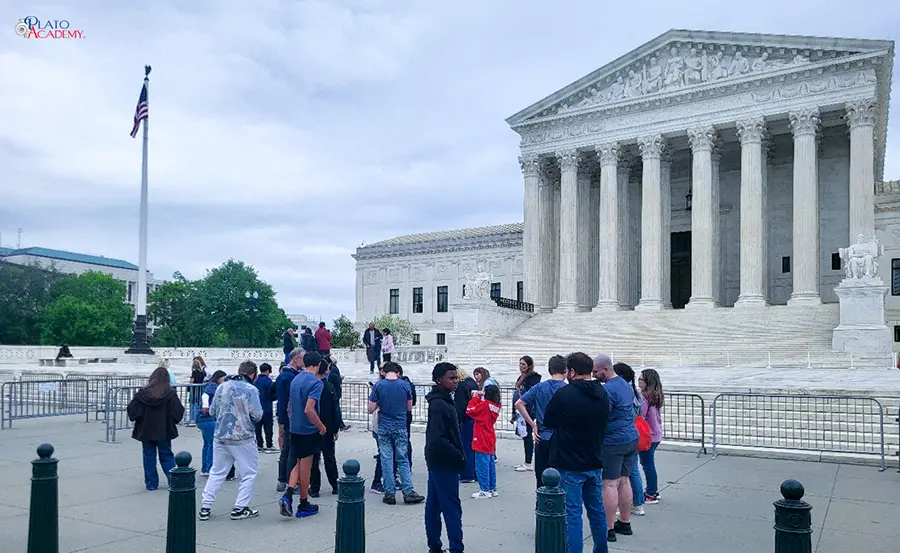
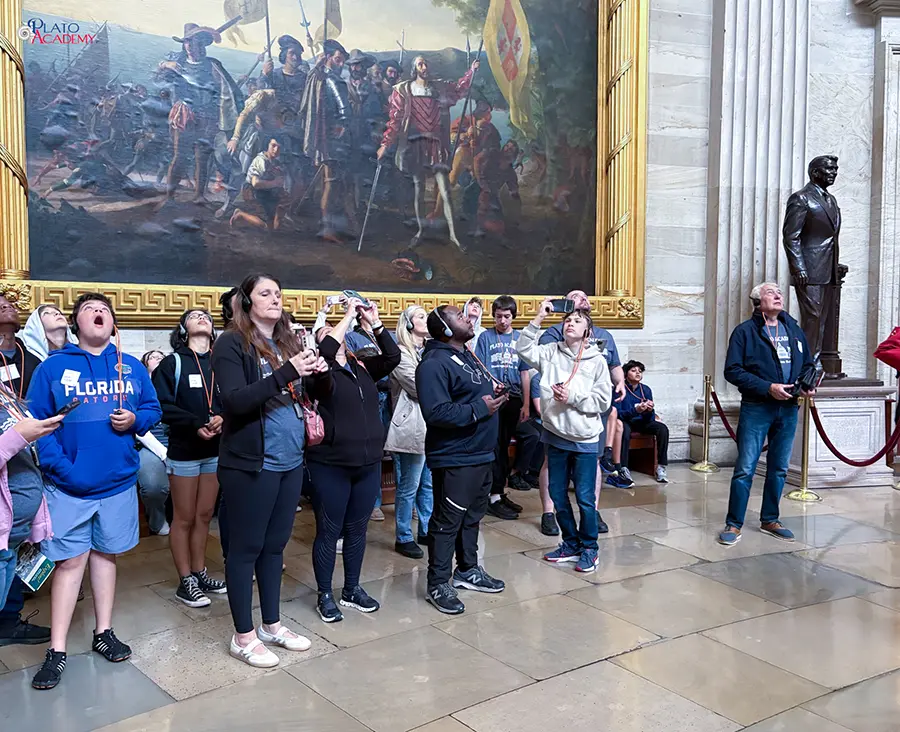
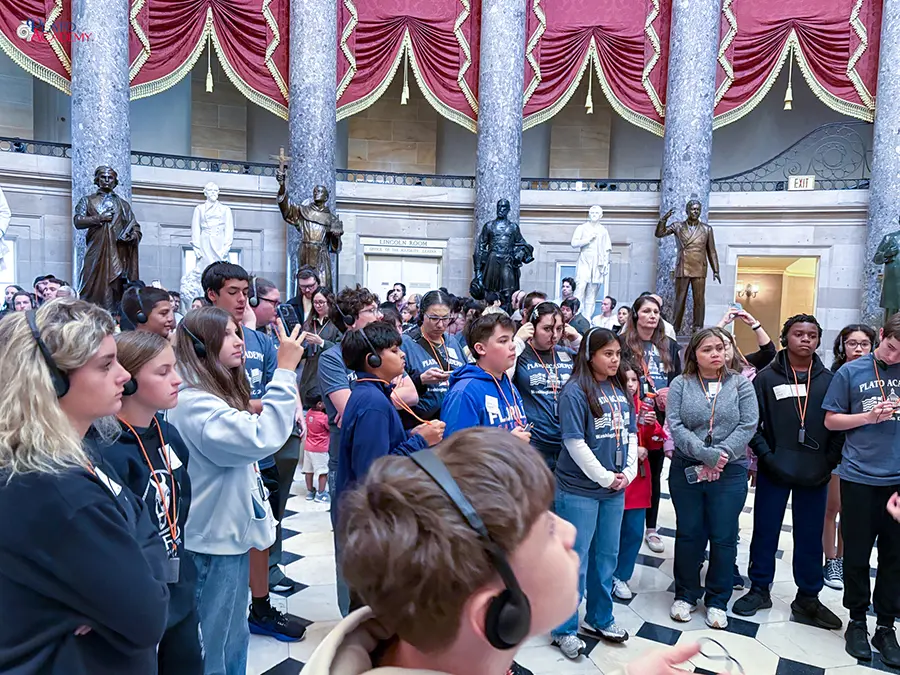
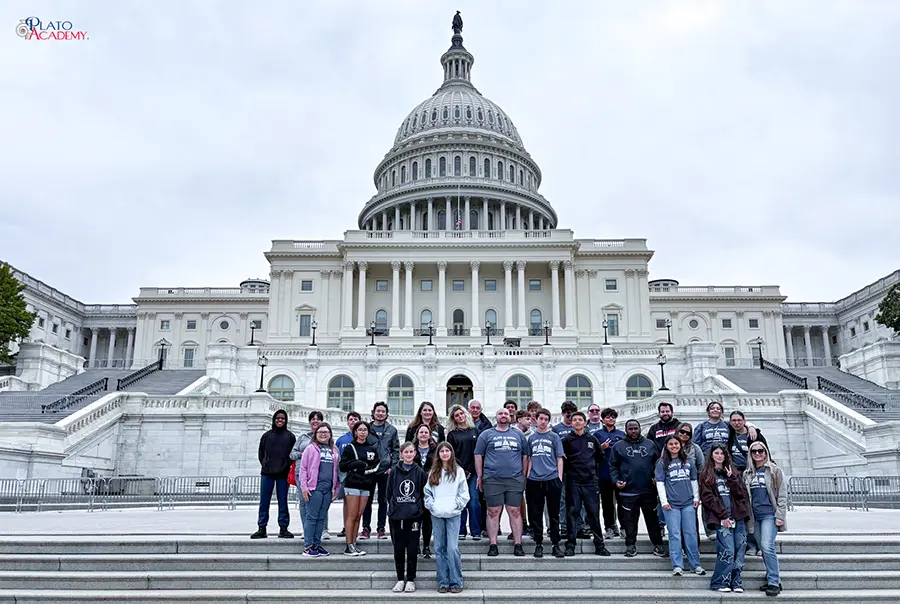
Sixty-six students from Plato Academy recently completed a three-day educational journey to Washington, DC, one that brought history off the page and into their lived experience. From April 24 through April 26, students and staff traveled to the nation’s capital to explore the sites and stories that have shaped American democracy and culture.
Why Do Schools Take Educational Field Trips to Washington DC?
Field trips to Washington, DC provide students with direct access to primary historical sites and museums that simply cannot be replicated in a classroom setting. Educational travel helps students develop critical thinking skills, cultural awareness, and a deeper understanding of civics and history. For students at Plato Academy, these experiences translate classroom learning into memorable, meaningful moments that enhance long-term retention and engagement.
Educational travel transforms history from abstract concepts into lived understanding, allowing students to stand in the presence of the moments and places that shaped their nation.
A Packed Itinerary of Historical Landmarks
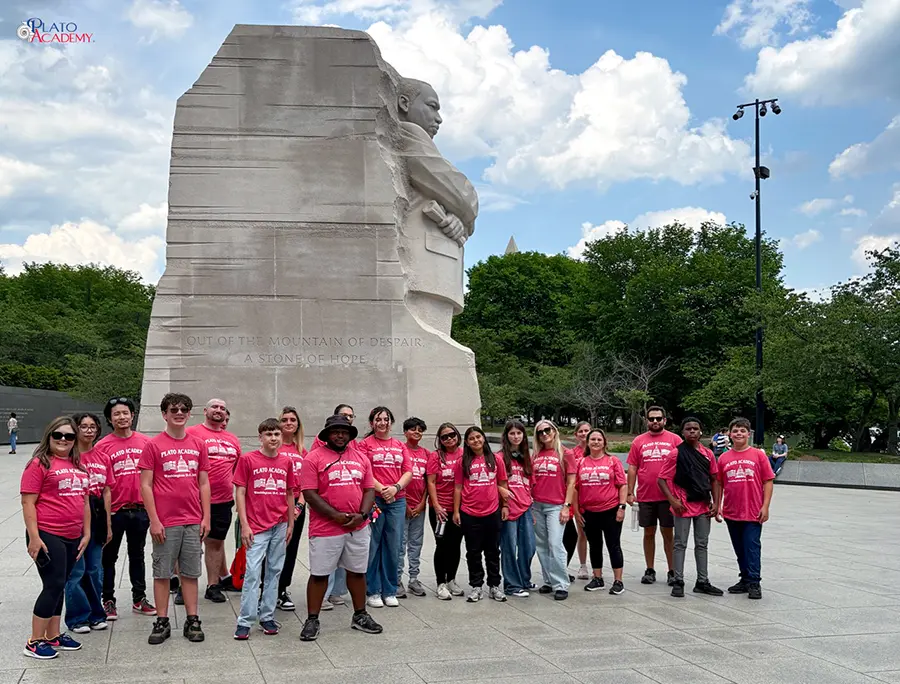
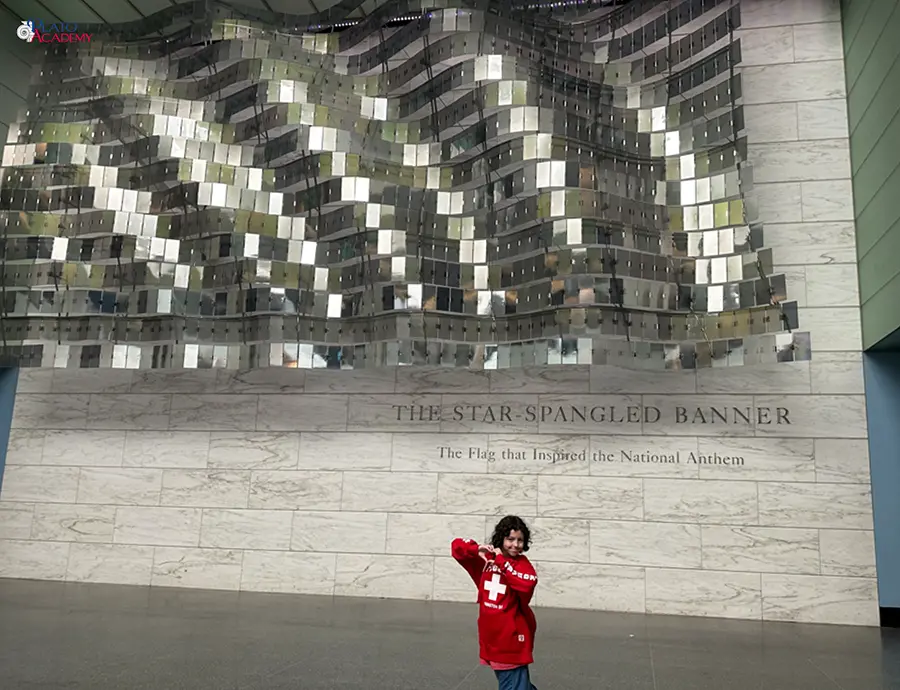
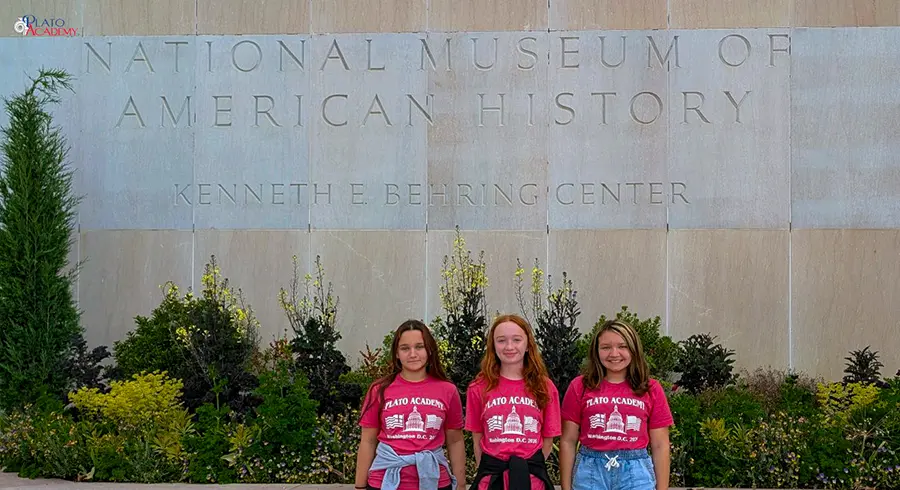
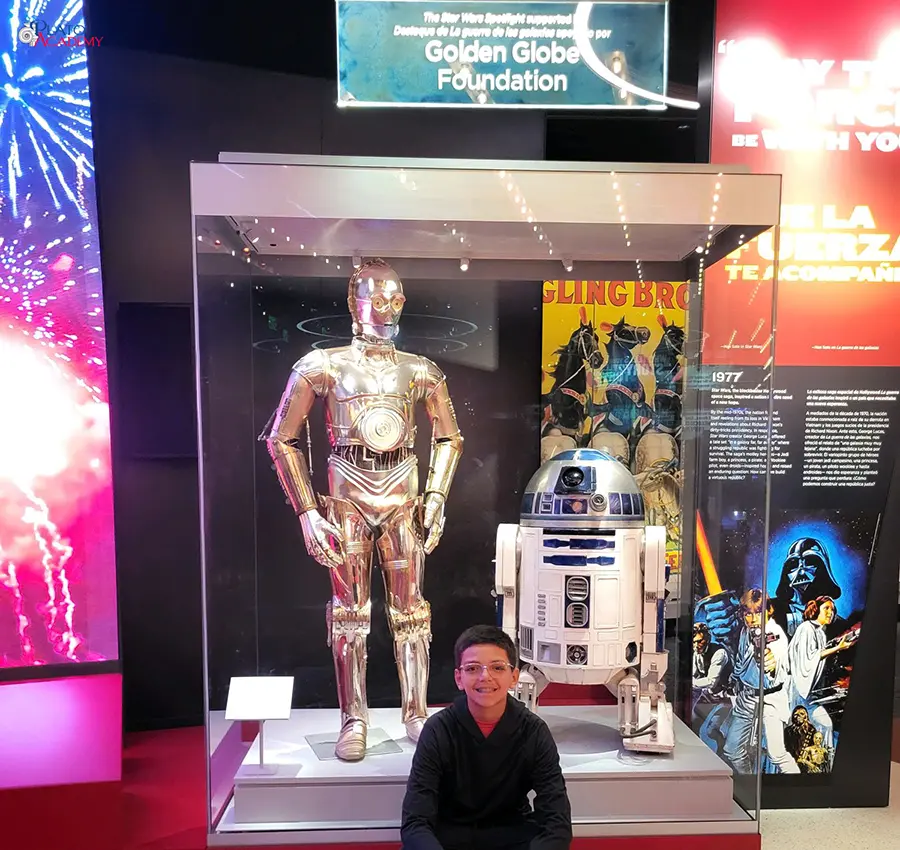
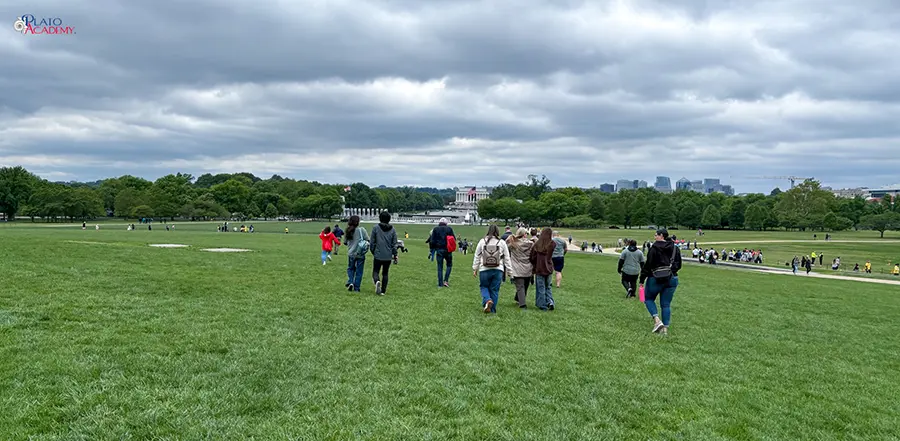
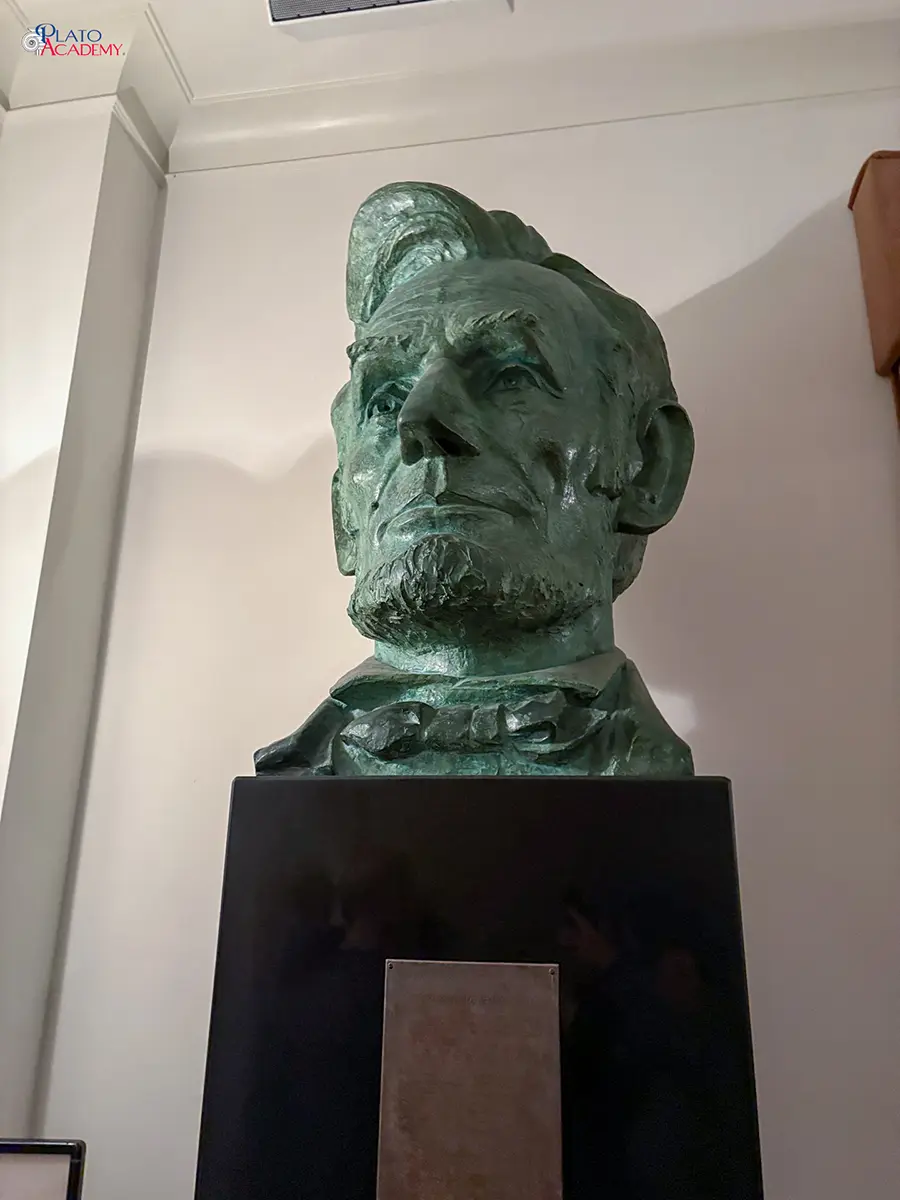
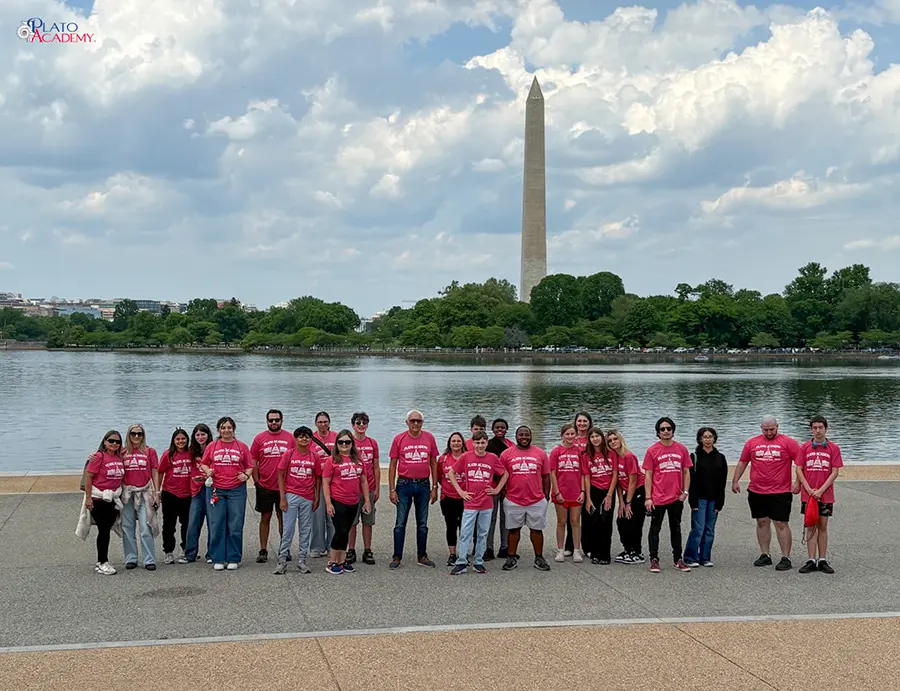
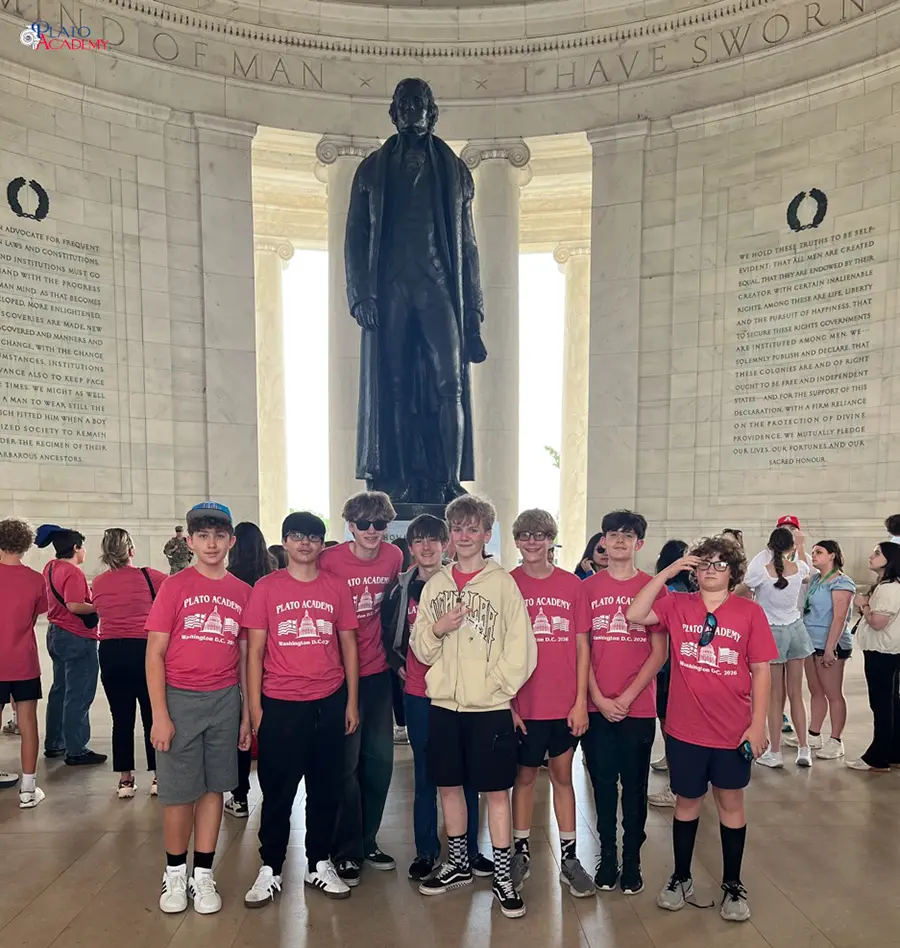
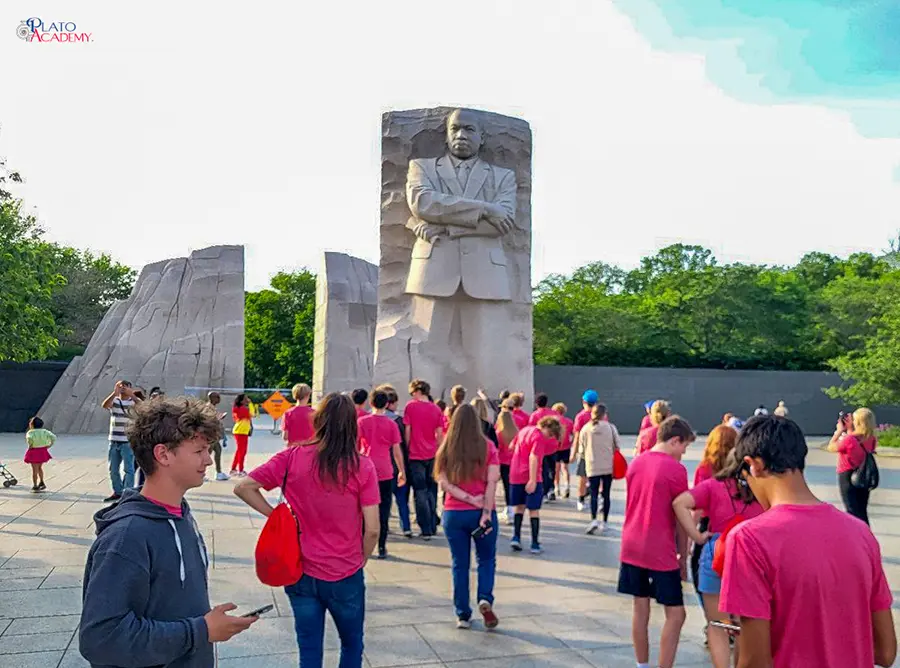
On their first full day in the capital, the group split into two teams to maximize learning opportunities. Students toured the Smithsonian Museum of American History, then moved through Washington’s downtown corridor experiencing the city’s most iconic memorials and monuments. They explored the Lincoln Memorial, the Washington Monument area, and visited the Korean and Vietnam Veterans War Memorials. The day included a cash lunch at a local food court, allowing students to experience the city.
What Makes the Smithsonian Museum of American History Educational for Students?
The Smithsonian Institution represents one of the world’s largest collections of artifacts documenting American culture, technology, and society. For middle and high school students, the Museum of American History offers interactive exhibits and primary sources that bring textbook concepts to life. Students can examine actual historical objects, from early American transportation to pivotal moments in civil rights history. This direct engagement with artifacts creates stronger neural pathways for learning compared to traditional classroom instruction alone.
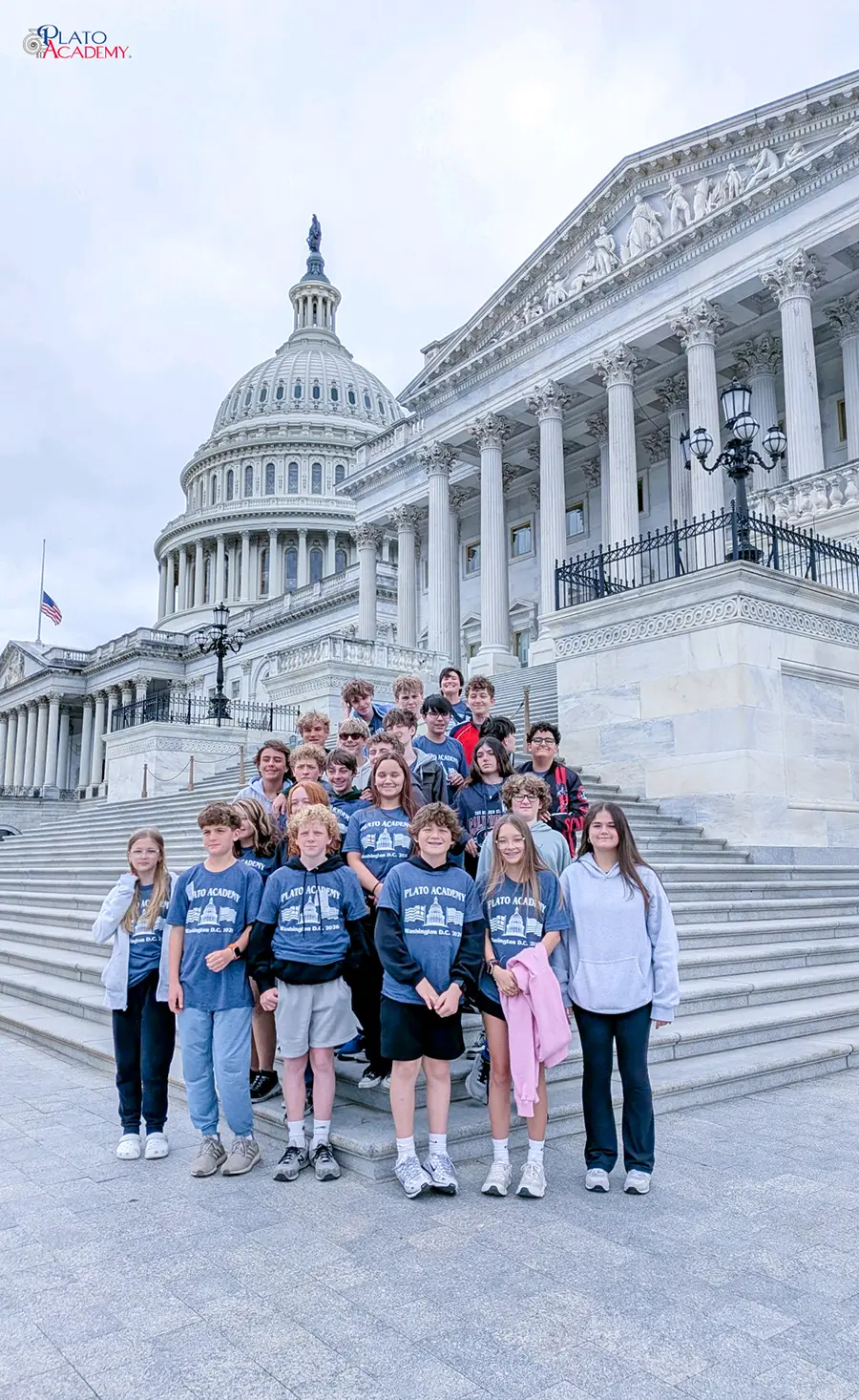
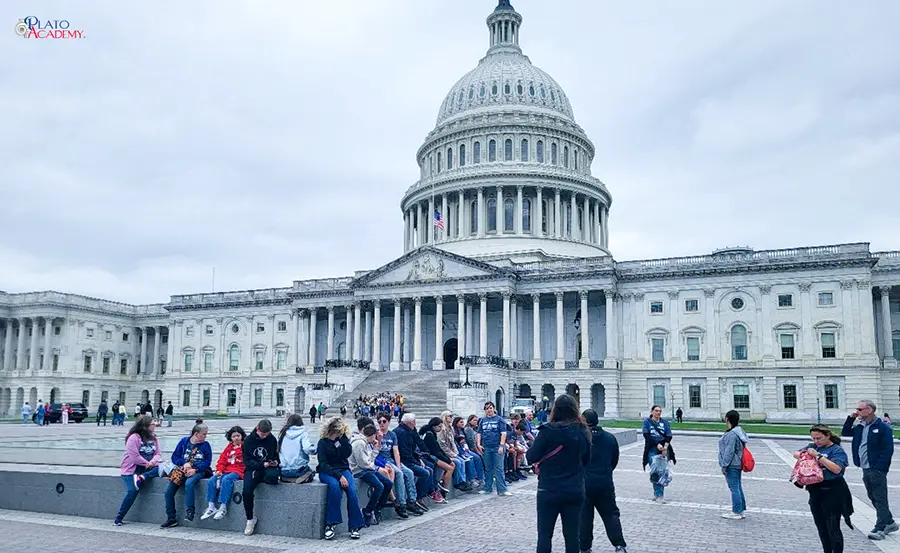
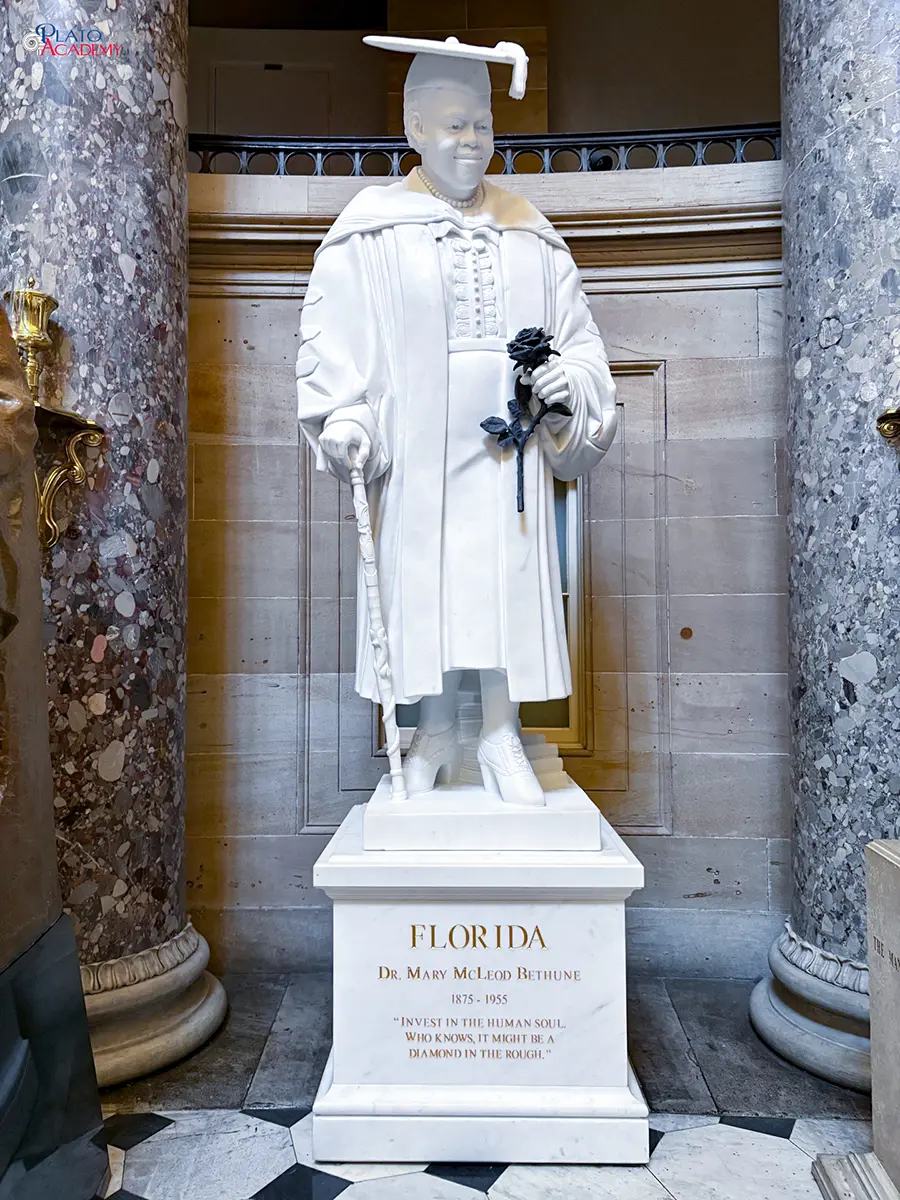
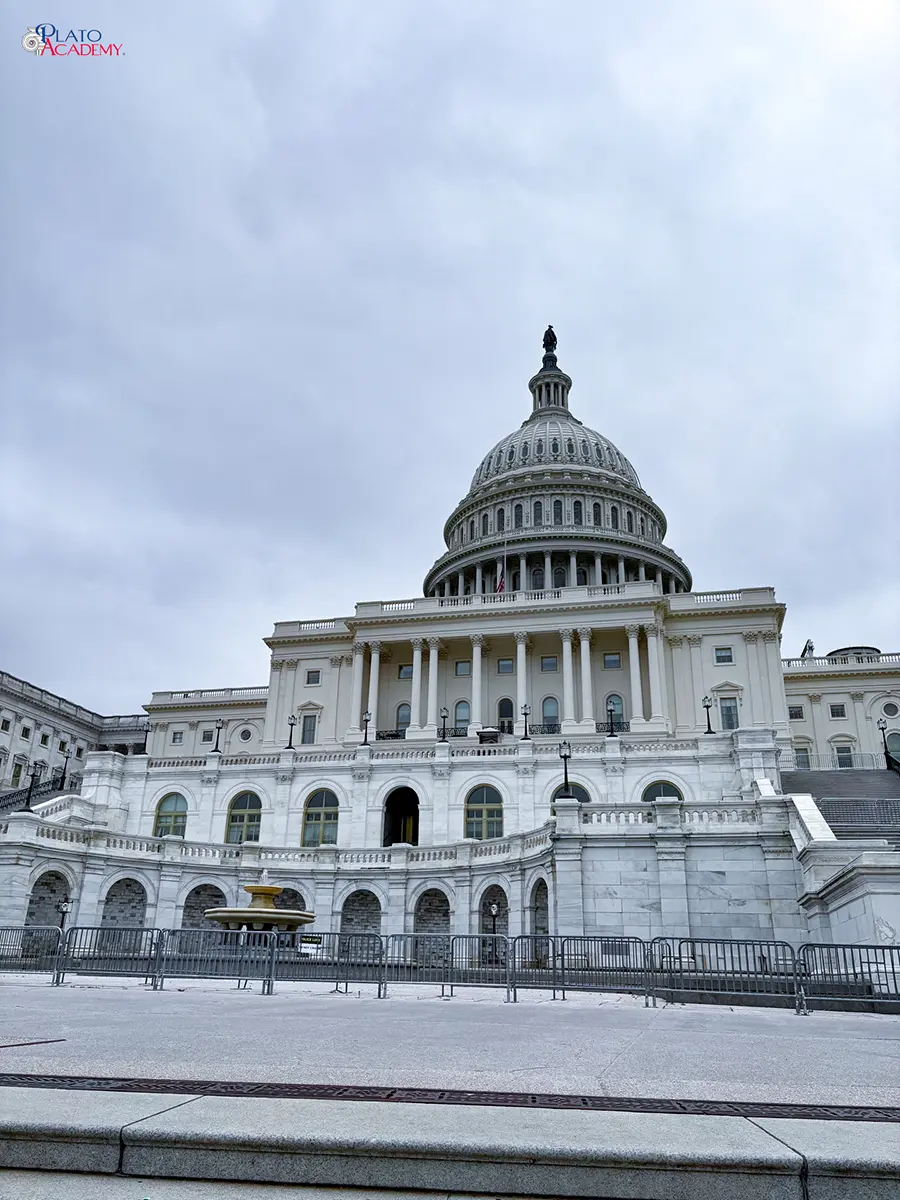
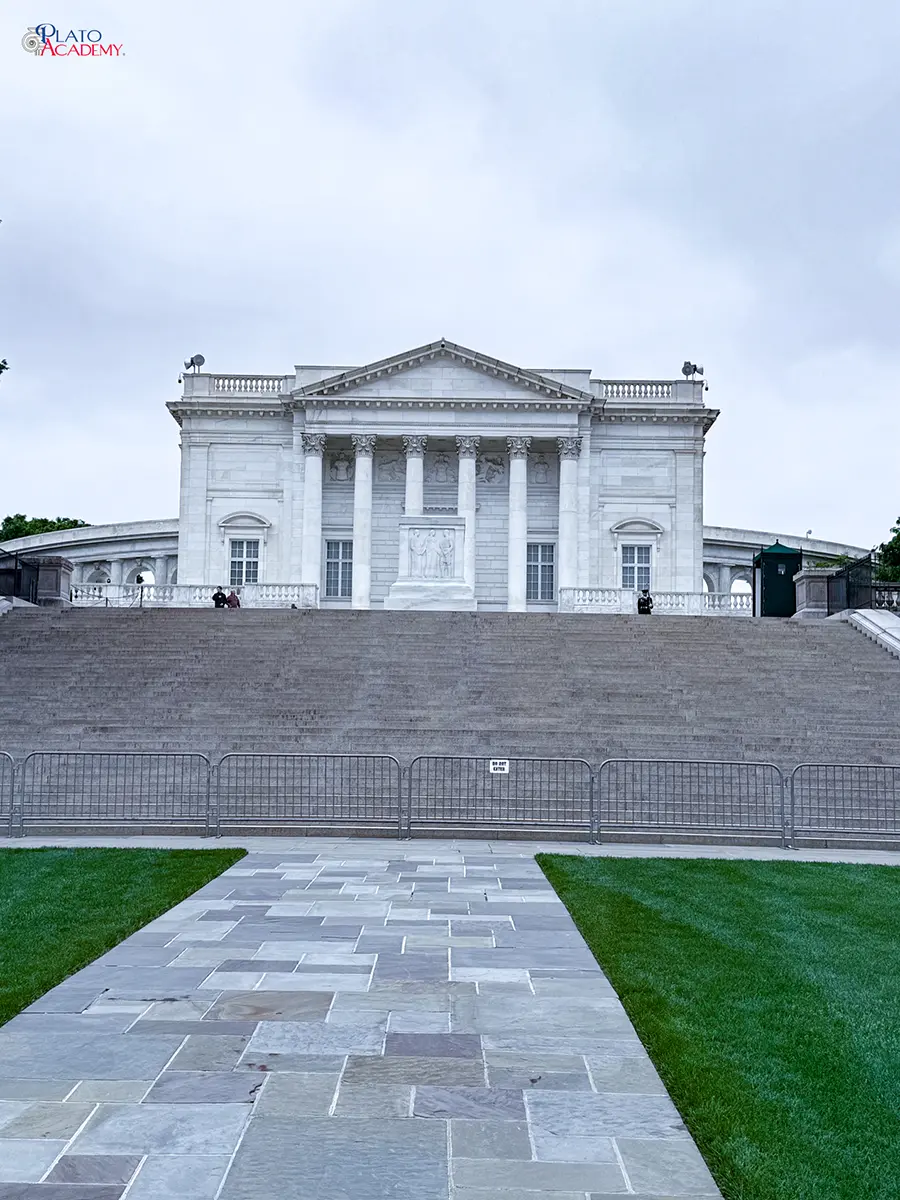
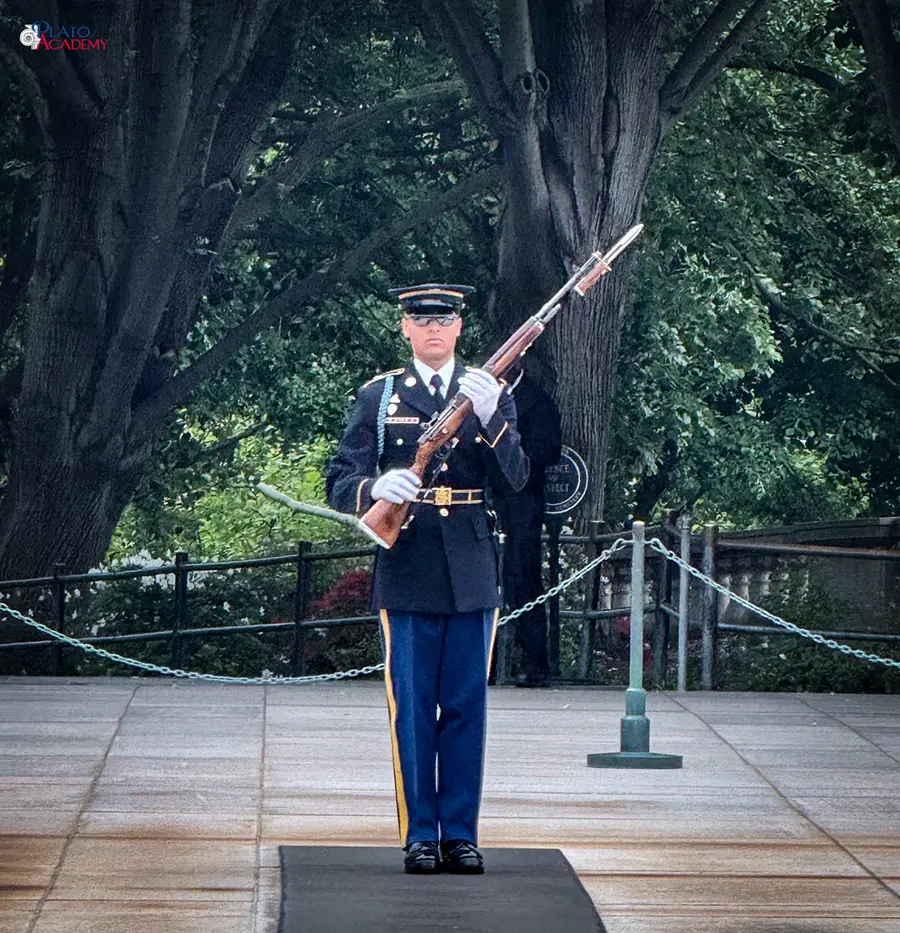
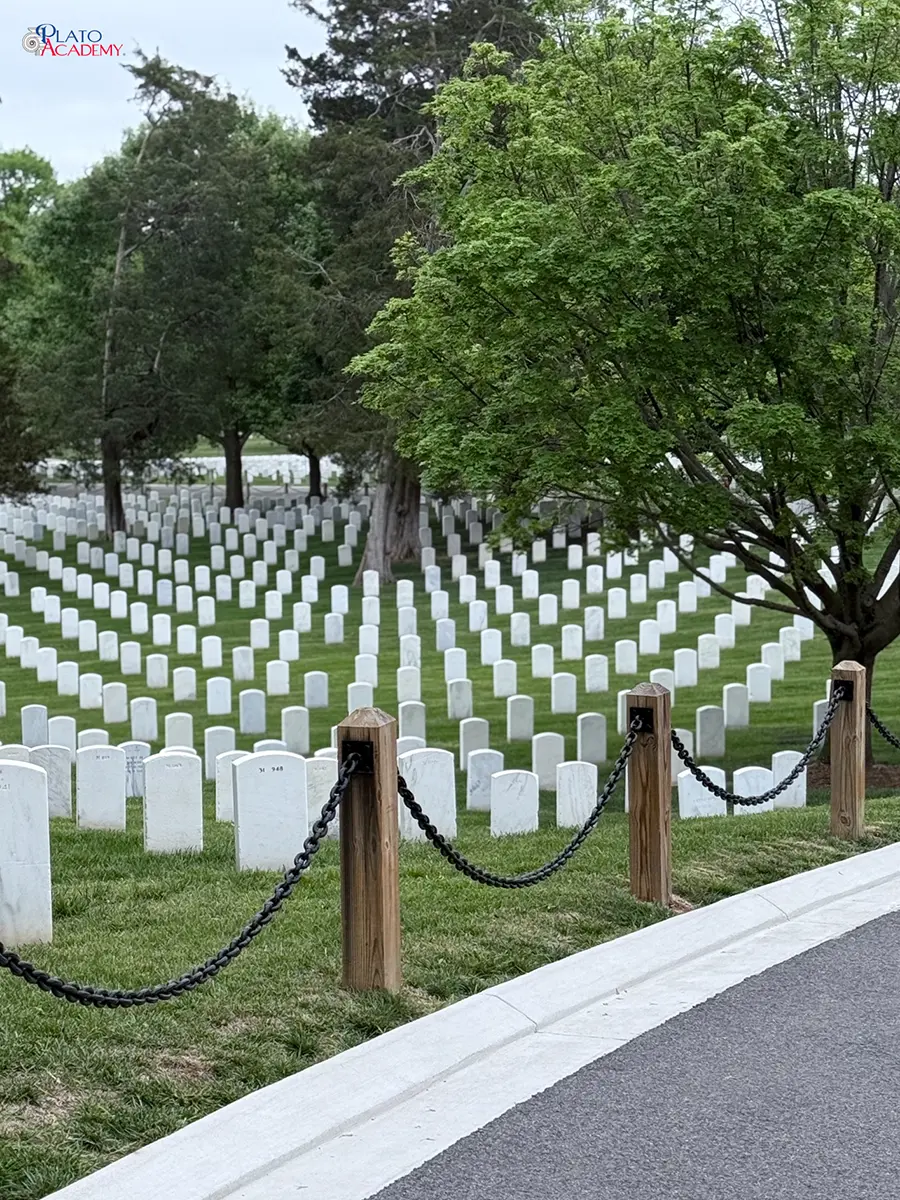
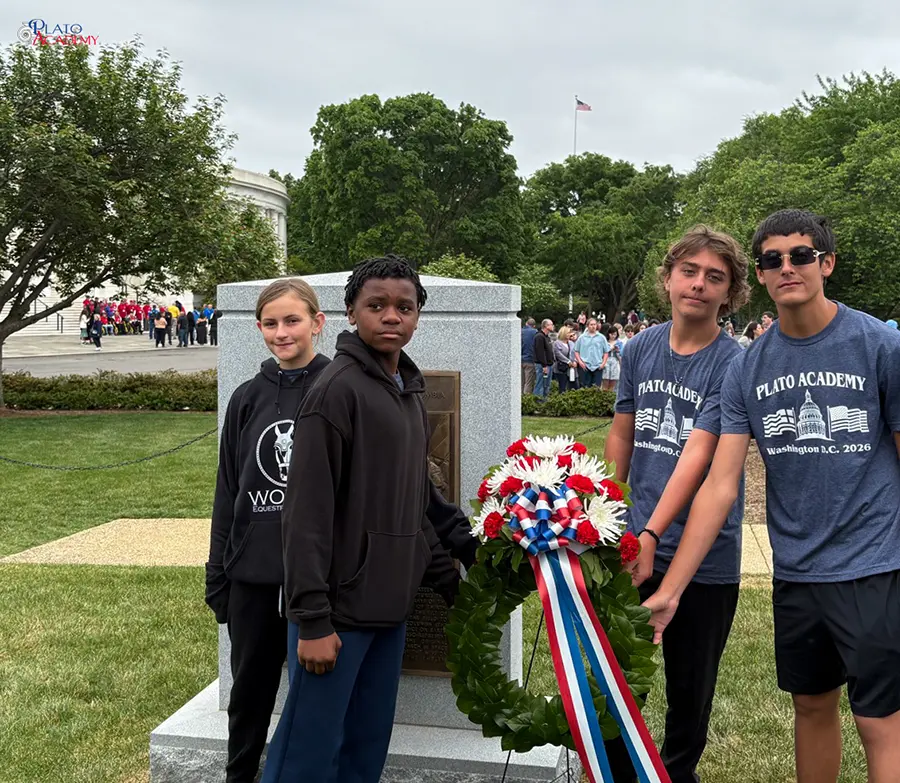
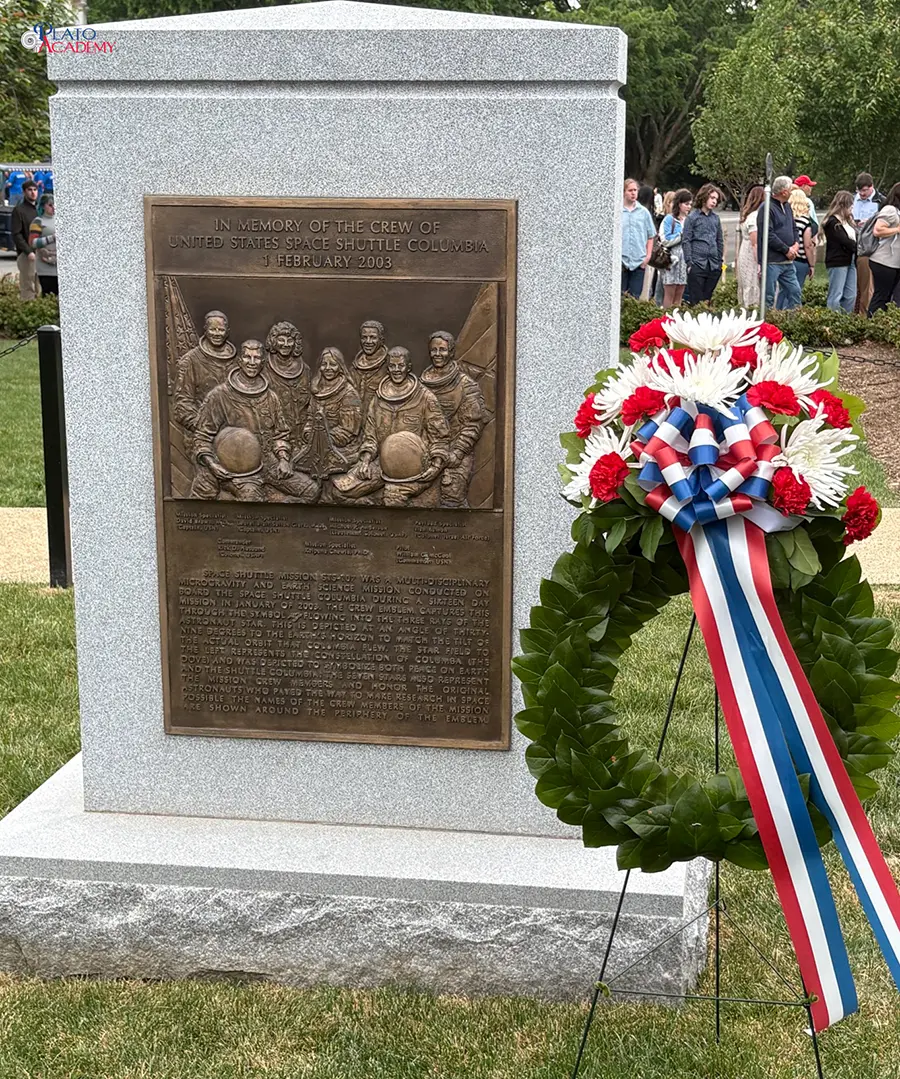
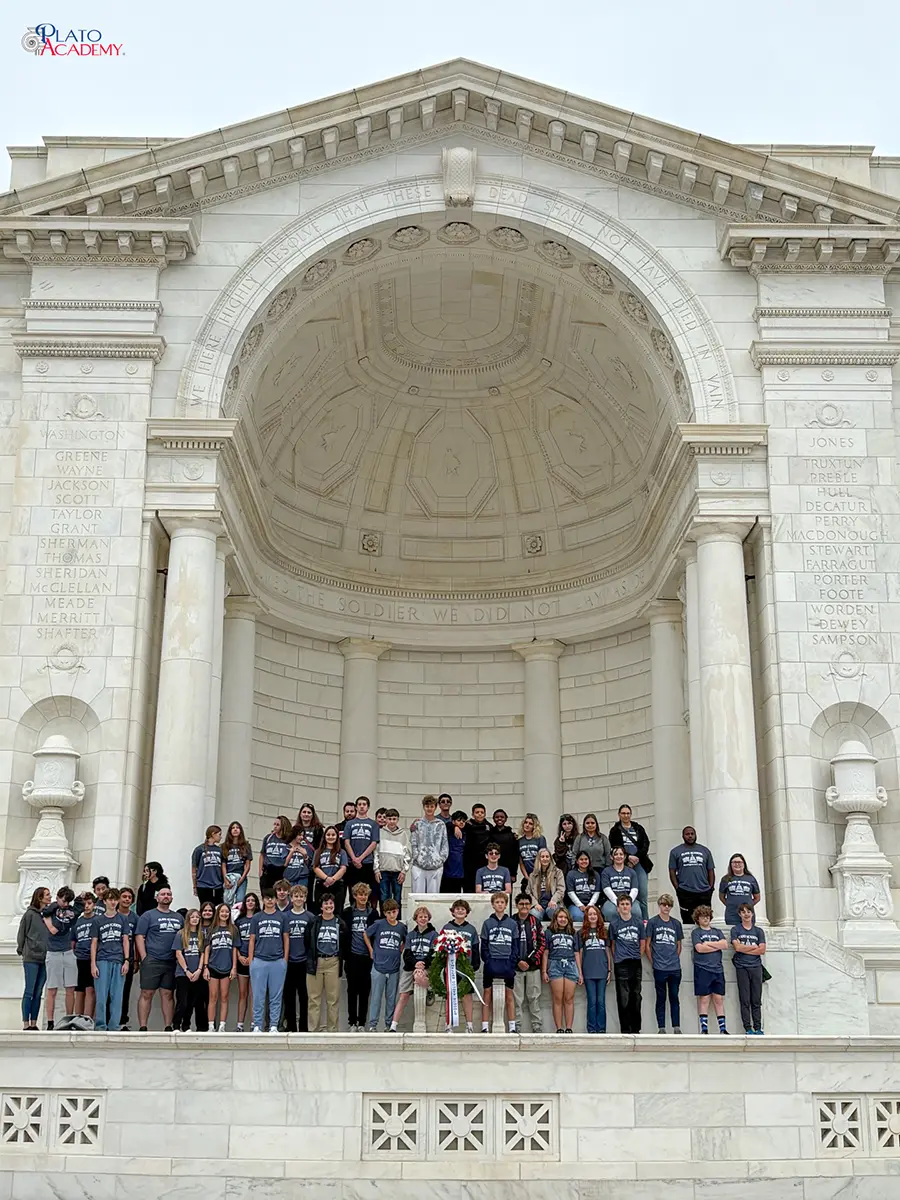
Saturday, April 25, proved to be the trip’s most intensive day of historical engagement. Students began at Arlington National Cemetery, where they observed the Wreath Laying Ceremony at the Tomb of the Unknown Soldier. Later that morning, the groups reconvened for a visit at the Grant Memorial before moving to the Library of Congress and the United States Capitol Building.
The afternoon brought students to the National Archives, where they examined some of America’s most foundational documents, followed by more city and memorial touring.
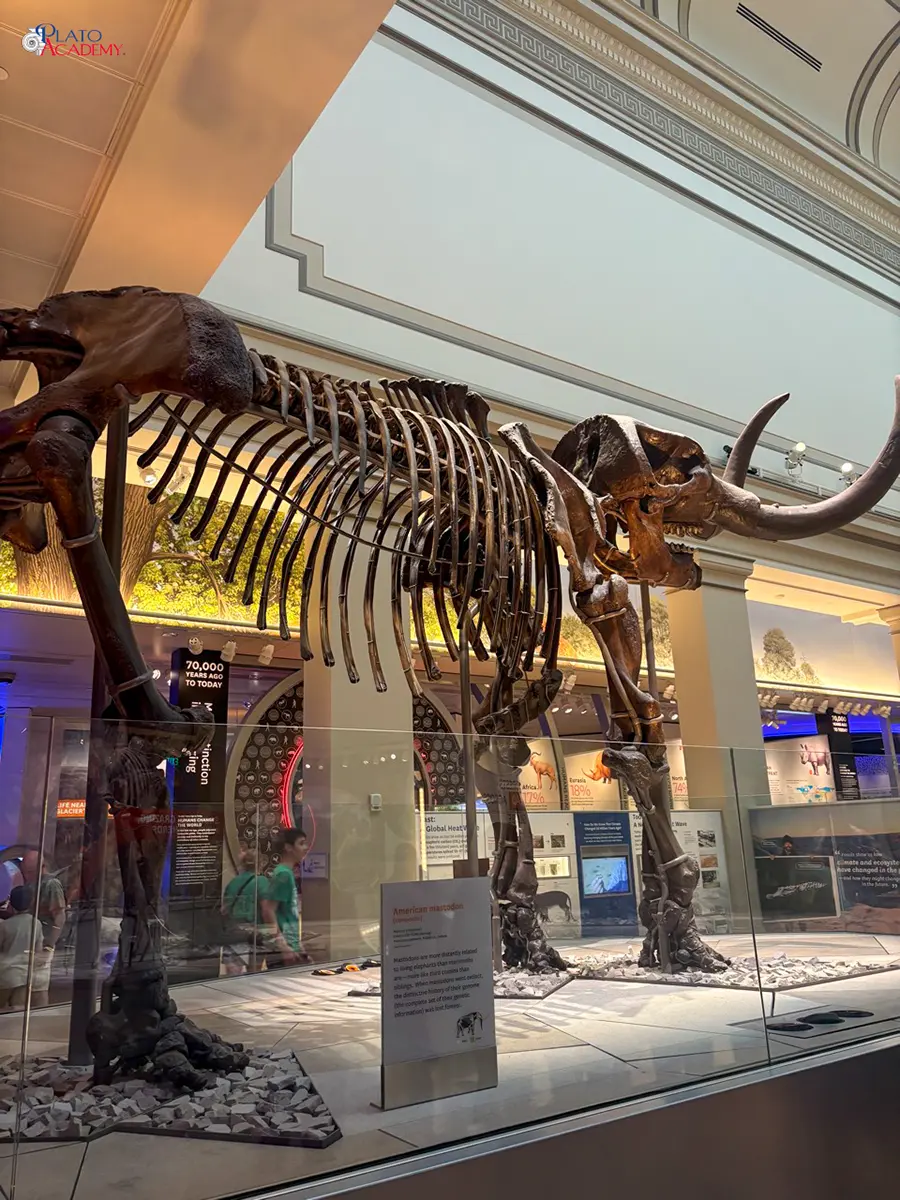
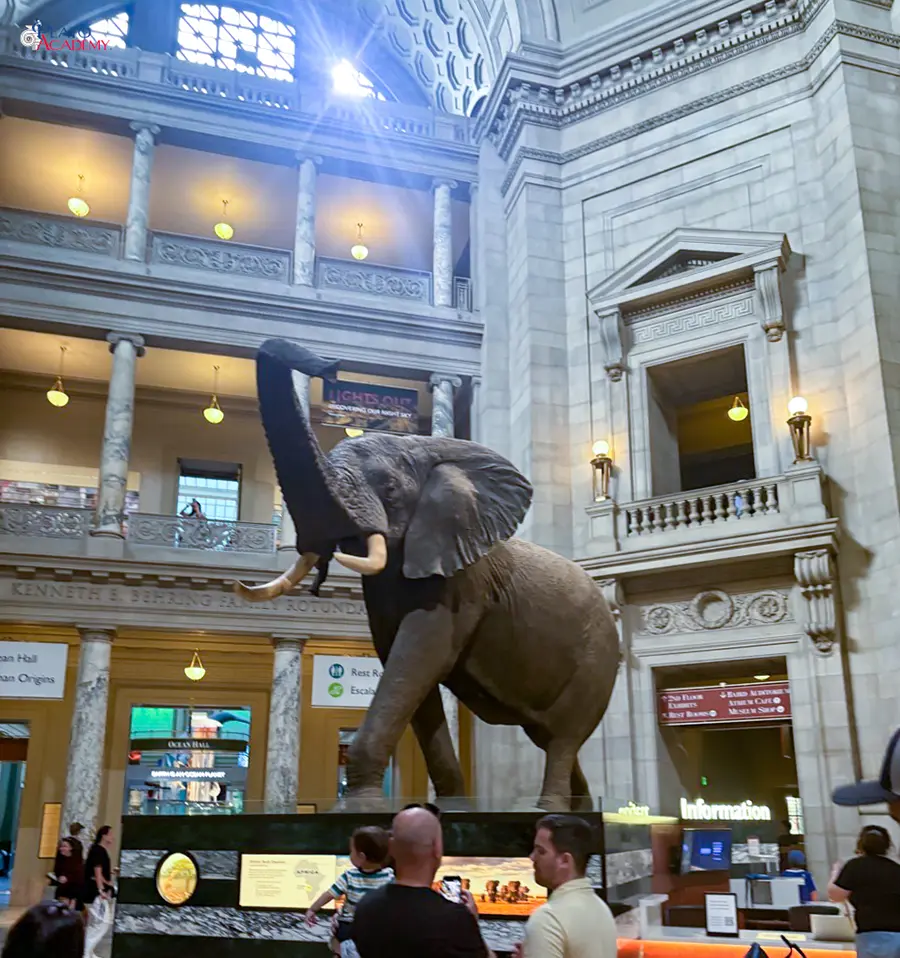
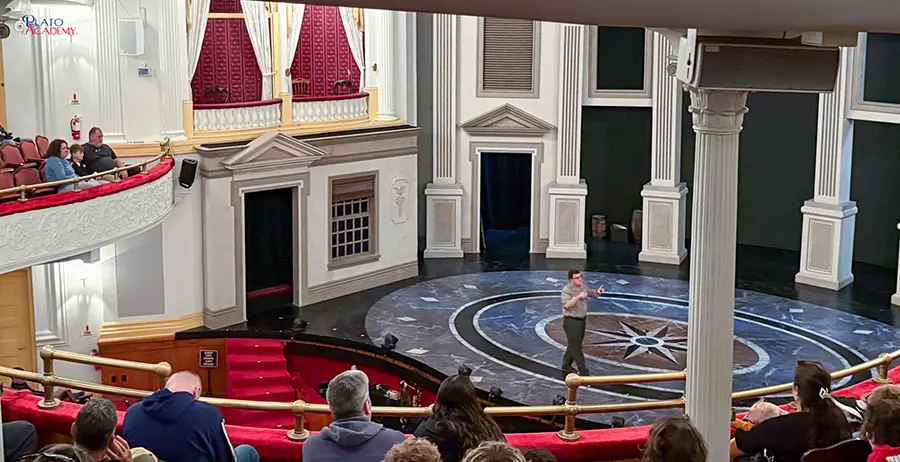
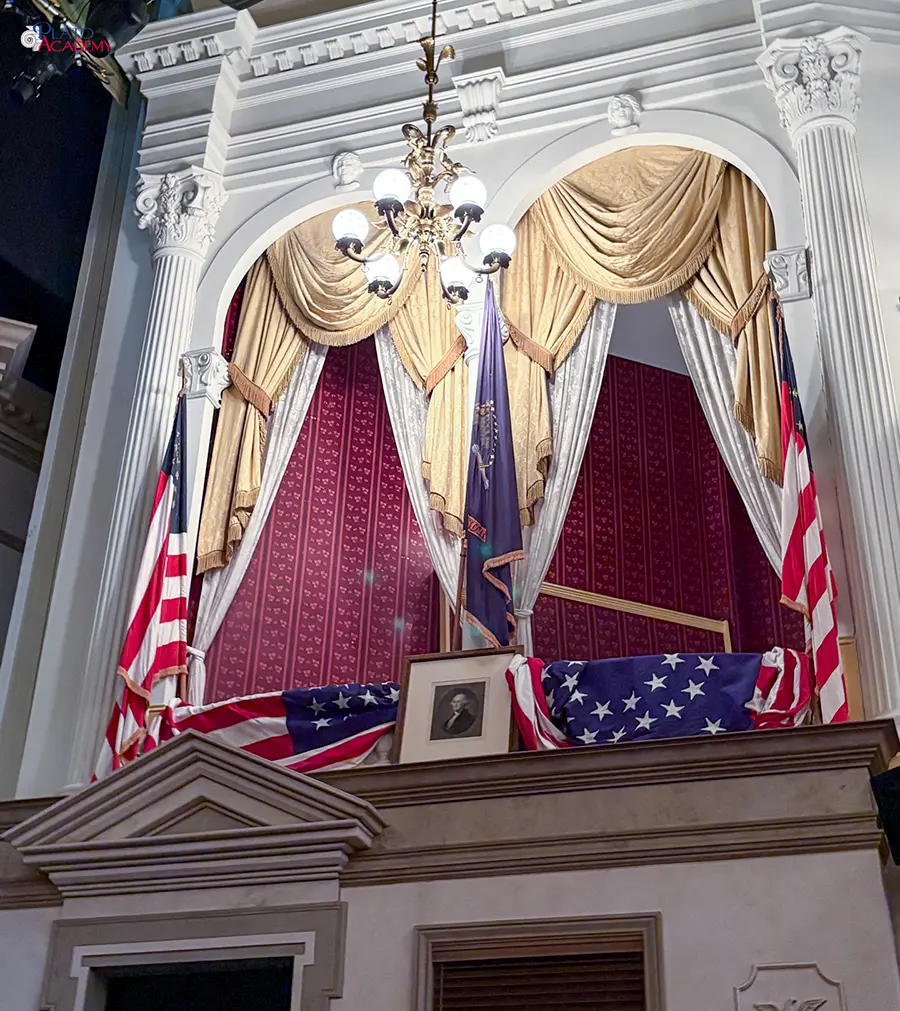
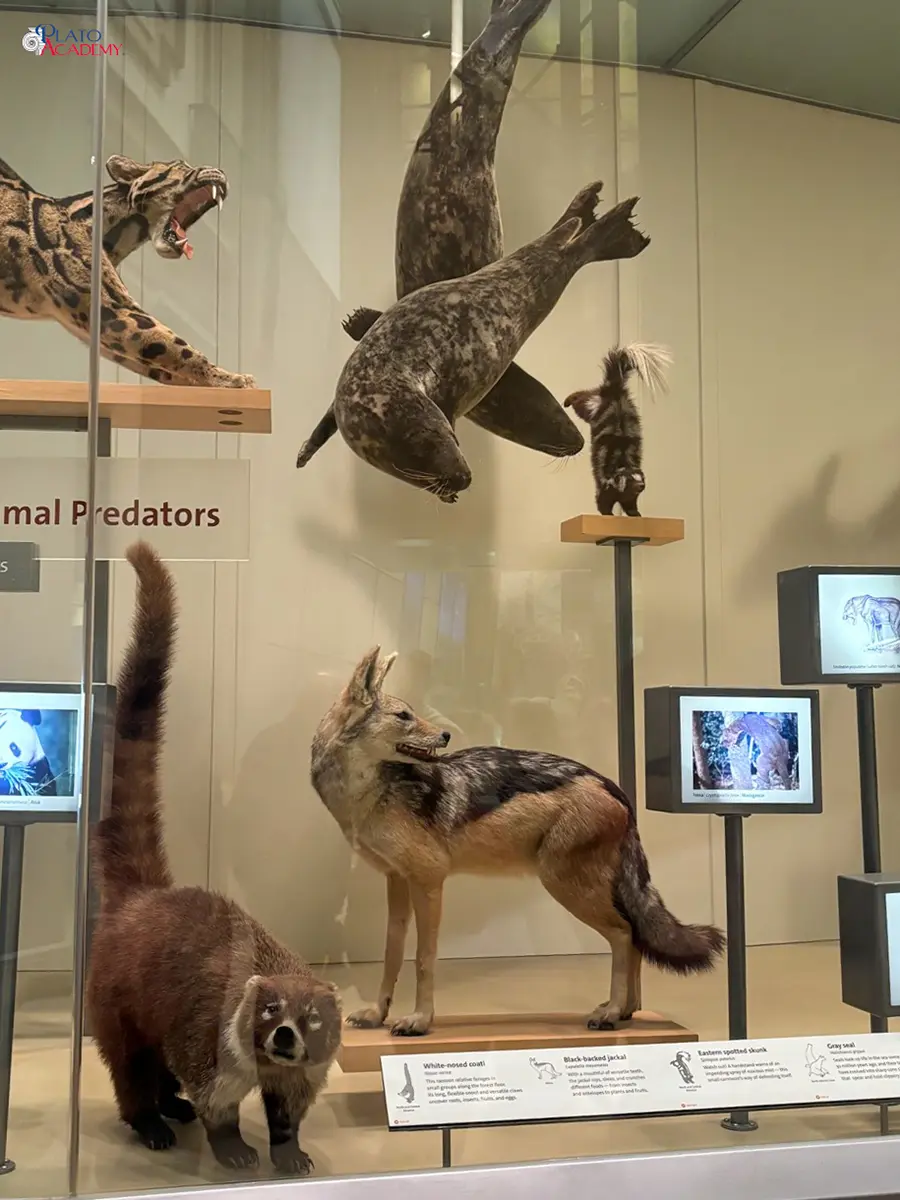
Sunday, April 26, shifted the focus to cultural and natural history. Students toured Ford’s Theatre, where President Abraham Lincoln was assassinated, adding another layer of understanding to the previous day’s visit to the Lincoln Memorial. The Smithsonian Museum of Natural History provided a different kind of learning experience, allowing students to explore geology, paleontology, and biology.
The Value of Multi-Day Immersive Learning
Unlike brief day trips, the three-day format allowed students to build context gradually. The sequence of visits followed a logical progression from government sites to cultural institutions to natural history museums reinforced connections between different aspects of American society and thought.
Teachers from Plato Academy incorporated pre-trip preparation and post-trip reflection into the learning process. Before departure, students studied the significance of each location. Upon return, classroom discussions helped students process and synthesize their observations into broader historical narratives.
Building Future Leaders Through Historical Understanding
Students who understand the historical development of American institutions develop stronger civic awareness and more nuanced perspectives on current events. They recognize that contemporary politics and society have deep roots and complex histories. They encounter different interpretations of historical events and learn to think critically about sources and perspectives.
Plato Academy’s commitment to experiential education positions students to become informed citizens capable of engaging thoughtfully with their communities. Whether students pursue careers in history, law, education, or any other field, the ability to understand historical context and think critically about evidence proves invaluable.